Recently, as highlighted in a major report by Caixin—widely regarded as China’s most influential financial media—the country’s personal credit industry witnessed a landmark legal dispute. A leading big data service provider Bairong Inc.(6608.HK,www.brgroup.com) sued a state-licensed personal credit agency Baihang Credit (www.baihangcredit.com)and its foreign-backed partner WiseCotech (www.wisecotech.com)over the alleged misappropriation of commercial data products and trade secrets. WiseCotech, a prominent player with deep historical ties as the localized arm of U.S. credit-scoring giant FICO (Fair Isaac Corporation) in China, has added significant global and industry attention to this high-profile case.
While it is easy to view this merely as a corporate clash over profit-sharing, zooming out reveals a much more profound narrative. This lawsuit is not just a localized business dispute; it is a vivid cross-section of a market grappling with the friction between data abundance and strict regulatory frameworks.
News report from Caixin Midea
The Paradox: A Wealth of Data, A Bottleneck in Circulation
There is no doubt that China possesses one of the most robust and expansive underlying data ecosystems in the world. From the financial credit histories of over a billion consumers to the massive digital footprints left across mobile internet and tech platforms, the sheer volume of data is staggering.
However, in recent years, to ensure data security and protect consumer privacy, China has implemented highly stringent regulatory policies. In the credit sector, this means that the flow of personal financial data must pass through centralized, licensed gateways.
The result of this architecture is a paradox. On one hand, the baseline for data security and compliance has been successfully established. On the other hand, the compliant circulation and commercial application of data across different institutions have become exceptionally difficult. Massive amounts of high-value credit data remain siloed or “dormant,” unable to be efficiently utilized by the broader market.
The Reality: Competing for Access, Not Services
Because compliant data circulation is so heavily restricted, simply accessing underlying data has transformed into a scarce privilege. This has fundamentally shifted the nature of competition in the market.
In an ideal credit ecosystem, market participants—whether licensed agencies, big data firms, or fintech companies—should compete at the “product and service layer.” The focus should be on who can build the most accurate risk-pricing models, or who can provide the most efficient tools for the credit market.
Instead, what we are seeing is that institutions are exhausting their capital, technical resources, and management bandwidth on the “data layer.” The industry is caught in a zero-sum game of fighting for exclusive access to raw data, securing gateway privileges, or defending data perimeters. When the primary competitive advantage becomes “who controls the data” rather than “who provides the best analytical service,” the entire ecosystem suffers from structural inefficiency.
A Common Challenge for Emerging Markets
This tug-of-war between absolute data security and the need for market innovation is not unique to China. Many emerging markets that are currently building or upgrading their modern credit infrastructures are facing the exact same dilemma.
How do we balance stringent oversight with the need to activate the market? How do we prevent licensed infrastructural gateways from inadvertently becoming monopolies that stifle technological innovation? These questions highlight an urgent need for better top-level architectural design and institutional reform globally, ensuring that dormant data can flow compliantly and efficiently.
A Microcosm of a Broader Era
Ultimately, this “data turf war” in the credit sector is a microcosm of a much broader challenge facing China’s digital economy.
Across numerous industries—from healthcare and transportation to smart cities—we see the same structural phenomenon: data is incredibly abundant, yet cross-entity circulation and practical application remain a struggle. Solving this bottleneck and transitioning from a focus on “data hoarding” to “value-added data services” will be the true key to unlocking the potential of the data economy, not just in China, but in any highly regulated digital market.
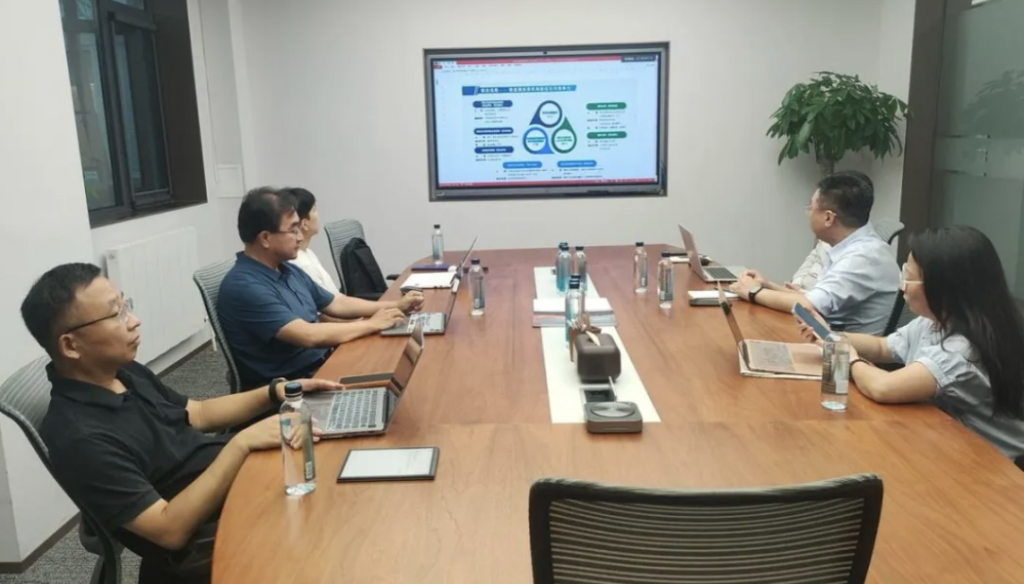
Beijing, August 31, 2026 — Representatives of eCredible, a leading Korean corporate credit and business assessment provider, visited the Professional Committee of Credit Management (PCCM) , China Mergers & Acquisitions Association (CMAA) in Beijing for a professional exchange on cross-border credit reporting, supplier credit assessment, technology credit assessment and future China–Korea cooperation.
The meeting was held at PCCM’s office at the Xiyuan Hotel in Beijing. Participants included Ian Rho, Head of Overseas Business at eCredible; Dr. Xinhai Liu, Chief Credit Expert of CMAA; Guangyong An, Researcher at PCCM; as well as Dawei Hao, Weijian Peng and Zhenzhen Li, professionals from a leading Chinese credit services institution(Lianhe Credit,the 2rd largest Credit Rating Group in China).
During the meeting, eCredible introduced its experience in corporate credit assessment, supplier risk management and technology credit assessment in Korea.
Founded in 2001, eCredible has developed extensive experience in serving large Korean corporations and their supply chains through corporate credit assessment, technology evaluation, ESG-related services and business information solutions.
Participants discussed Korea’s mature supplier credit assessment model and its relevance to Chinese companies participating in Korean and global supply chains.
As trade and industrial cooperation between China and Korea continues to evolve, an increasing number of Chinese manufacturers and technology companies are directly supplying components, equipment and services to major Korean corporations.
The participants noted that standardized and professional supplier credit assessment can help reduce information asymmetry in cross-border transactions and improve the transparency and credibility of suppliers operating across different markets.
Technology Credit Assessment and New Approaches to Evaluating Innovative Companies
Technology credit assessment was another major topic of discussion.
eCredible shared Korea’s experience with Technology Credit Bureau (TCB) services, which have become an important tool in supporting technology-based SMEs, innovation finance and technology evaluation.
The participants discussed how traditional credit assessment methodologies, which often rely heavily on financial statements and tangible assets, may not fully reflect the value and risks of emerging technology companies.
This is particularly relevant for companies in sectors such as:
artificial intelligence,
robotics,
semiconductors,
advanced manufacturing,
digital infrastructure,
and other technology-intensive industries.
Future credit assessment frameworks may therefore need to incorporate additional factors such as technological capability, R&D strength, commercialization potential, intellectual property, management teams, market prospects and business sustainability.
The meeting also explored the potential role of artificial intelligence in improving the efficiency and depth of technology and corporate credit assessment.
Building Stronger Cross-Border Credit Infrastructure
PCCM also introduced its long-standing work in cross-border credit research and international cooperation.
PCCM and its professional team have previously participated in a cross-border credit system research project supported by the World Bank and the Foreign Capital Department of China’s National Development and Reform Commission (NDRC).
The team has also developed the Oversea Private Enterprise Credit Service Platform, with a focus on supporting Chinese private enterprises engaged in international trade, investment and overseas expansion.
In parallel, PCCM has been developing a Global Credit Reporting Database, tracking credit bureaus, business information providers, credit assessment systems, regulatory frameworks and business models across different countries and regions.
Through international conferences, professional exchanges and joint research, PCCM has also established working relationships with credit reporting institutions, industry associations and experts across Asia, Europe, Latin America and other markets.
These resources are gradually forming an integrated foundation combining:
Cross-border credit research + international credit institution networks + global credit intelligence + expert resources + enterprise services.
Addressing the Cross-Border Credit Data Challenge
A further area of discussion concerned one of the most practical challenges in cross-border credit reporting:
How can Chinese corporate credit information be used safely, compliantly and effectively in overseas credit assessment and cross-border transactions?
PCCM has been conducting research on this issue for several years.
Rather than simply transferring raw corporate information across borders, future solutions may involve localized data collection and processing, standardized assessment, appropriate authorization mechanisms, necessary data minimization and collaboration between domestic and overseas professional institutions.
The participants agreed that developing practical and compliant approaches to cross-border credit information could become an important foundation for international supplier assessment and cross-border business services.
Preparing a Cross-Border Credit Research and Service Initiative
Building on its existing international projects, databases, expert resources and institutional partnerships, PCCM has begun preparations for a Cross-Border Credit Research and Service Initiative.
The Initiative will focus on areas including:
cross-border credit reporting, global corporate information, supplier credit assessment, technology credit assessment, corporate internationalization and international cooperation among credit institutions.
Its objective is to combine research, international networks, product development and practical services, and to help connect Chinese enterprises with professional credit systems and service providers around the world.
PCCM is also upgrading its long-running publication, Global AI & Credit Intelligence, into a new bilingual Chinese-English edition, with the aim of sharing research, market developments and professional insights with credit reporting, financial technology and credit risk professionals globally.
Looking Ahead
Participants agreed that China and Korea have significant opportunities for further professional cooperation in supply-chain credit management, technology assessment and cross-border credit services.
PCCM looks forward to continuing its dialogue with eCredible and other international credit institutions, while developing practical solutions that can support global trade, supply-chain cooperation and technology-driven credit innovation.
Discussions Focus on AI, Open Banking, MyData, Enterprise Network Analytics and the Future of Global Credit Information Services
May 21, 2026 | Bologna, Italy
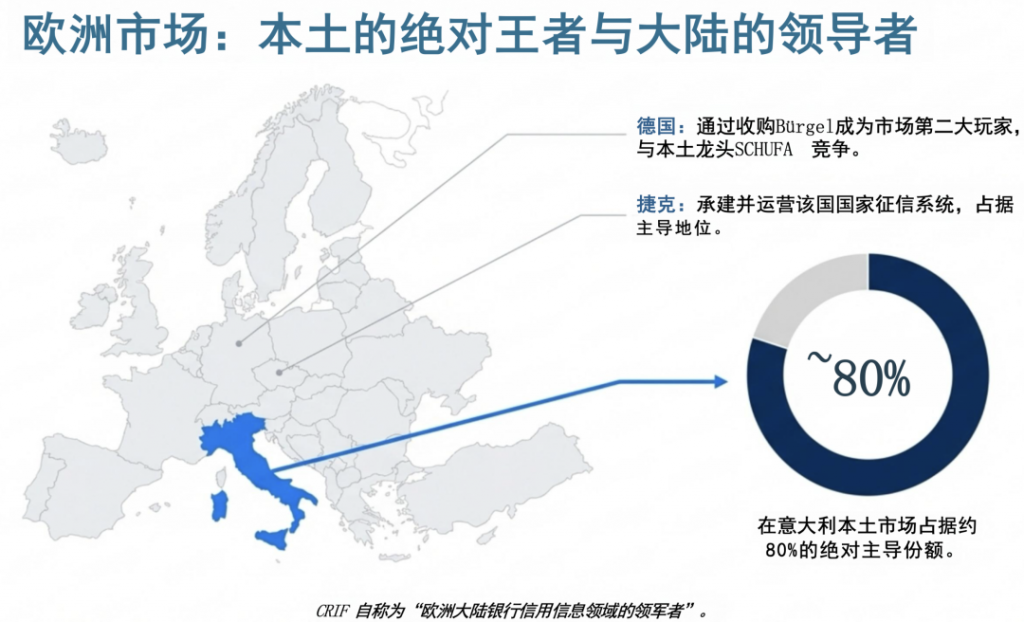
On May 21, 2026, Dr. Xinhai Liu, Chief Credit Expert of the China Mergers & Acquisitions Association (CMAA), together with colleagues, visited the global headquarters of CRIF in Bologna, Italy. The delegation met with Fabio Lazzarini, Senior Director of Alliances and Regulatory Affairs at CRIF, as well as CRIF colleagues responsible for Business Information, Open Banking and credit scoring, including a specialist from India.
The discussion covered major developments in the global credit information industry, applications of artificial intelligence in credit reporting and business information, MyData and Open Banking, enterprise credit and complex-network analytics, and credit information services for Chinese companies expanding overseas.
From Bologna to a Global Credit Technology Group
Bologna is one of northern Italy’s best-known historic cities and an important European center of learning, commerce and innovation. The University of Bologna, traditionally founded in 1088, is widely regarded as the oldest university in the Western world. CRIF was also born in this city.
Founded in Bologna in 1988, CRIF began with credit information and banking-related credit services in Italy. Over nearly four decades, it has developed into one of the world’s important credit information and credit technology groups.
During the meeting, CRIF presented its global development and current business structure. The group’s annual business scale is now close to EUR 900 million, with direct operations in 37 countries and more than 80 subsidiaries worldwide. CRIF has also participated in the development of credit information systems and related infrastructure in a number of markets.
Rather than positioning itself simply as a traditional credit bureau, CRIF has gradually expanded its capabilities into four connected pillars: Information, Intelligence, Platforms and Outsourcing. Together, these capabilities form an end-to-end knowledge and service system that connects data, analytics, credit decisioning, digital processes and professional operations.
This evolution illustrates a broader industry trend: leading credit information institutions are moving beyond the role of credit-report providers and becoming integrated credit-technology infrastructure providers that connect data, intelligence, decision-making and business processes.
Credit Reporting Is Moving from Monthly Snapshots to Real-Time Data
One of the most important trends discussed during the visit was the changing nature of credit data itself.
Traditional credit reporting systems often rely on periodic batch submissions from financial institutions, sometimes updated monthly or even less frequently. A credit report therefore represents, to some extent, a historical snapshot. With the development of APIs, Open Banking and digital financial infrastructure, however, more data can now be accessed and processed in near real time.
This change is particularly important in emerging markets such as Southeast Asia. Where consumers and small businesses have limited traditional banking histories, e-commerce, payment, telecom and other forms of alternative data are increasingly being used as complementary inputs for credit assessment.
In high-frequency, small-ticket credit scenarios such as Buy Now, Pay Later (BNPL), digital consumer finance and embedded lending, monthly credit data alone may no longer be sufficient for real-time risk decisions.
The competitive advantage of future credit bureaus may therefore depend not only on who owns the largest historical database, but also on who can connect data more quickly, interpret it more intelligently and transform it into risk insights and business decisions in real time.
AI Is Entering the Core of Credit and Business Information Services
Artificial intelligence was another major focus of the discussion.
CRIF shared examples of how AI is being used in internal productivity, data analysis, risk decisioning and business information services. Generative AI is also beginning to change how users interact with traditional business credit reports. Instead of reading a lengthy report page by page, users may increasingly be able to ask natural-language questions about a company and use AI to understand its operations, financial position, risk profile and business relationships.
This direction strongly overlaps with Dr. Liu’s team’s recent work on AI and credit technology. The participants discussed how AI could be applied not only to credit scoring, but also to enterprise risk identification, business information analysis, lending decisions, fraud detection, post-loan risk monitoring and intelligent interaction with credit reports.
The development of AI may therefore reshape not only the technology used by credit information providers, but also their product formats, customer experience and long-term business models.
From Individual Company Credit to Enterprise Network Credit
Dr. Liu also introduced his team’s research on complex-network analysis and enterprise credit risk.
Traditional business credit analysis often treats a company as an independent entity, focusing on registration records, financial performance, legal information, payment behavior and operating conditions. In reality, however, companies do not exist in isolation.
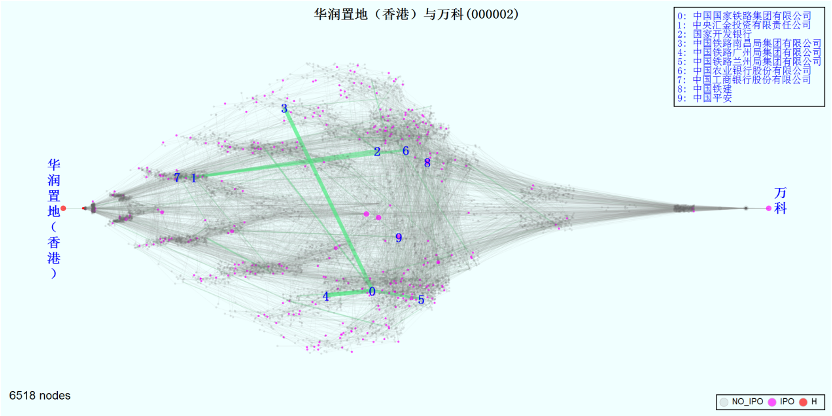
Ownership links, ultimate-control relationships, guarantees, supply chains, investments, shared executives and other connections form complex enterprise networks. A company may appear financially sound on its own while still being exposed to hidden risks through its broader network.
Adding a Connection dimension to traditional enterprise credit analysis can help identify group-level risk, hidden related-party exposure and potential risk contagion. This approach has clear relevance to CRIF’s long-standing activities in Business Information, supply-chain risk and enterprise credit management, and created a strong basis for further technical exchange.
Cyber Risk and ESG Are Becoming New Credit Variables
CRIF also introduced several newer forms of enterprise risk assessment that extend beyond traditional credit information.
One example is cybersecurity risk assessment for companies and supply chains. Cyberattacks, data breaches and digital-system exposure increasingly affect business continuity, reputation and even debt-servicing capacity. Cyber risk is therefore moving from being an isolated IT-security issue to becoming part of broader enterprise and credit-risk analysis.
At the same time, as European green-finance and sustainability regulation becomes more demanding, CRIF has developed ESG-related data, assessment and service capabilities that connect environmental, social and governance factors with enterprise risk management.
These developments show how modern business information is moving beyond the traditional combination of corporate registration, financial and legal data. Cybersecurity, supply-chain resilience, ESG and enterprise-network relationships are all becoming increasingly relevant components of next-generation business information services.
MyData, Open Banking and Personal Credit Services
The two sides also exchanged views on the use of MyData and Open Banking in credit reporting and financial services.
Open Banking allows consumers, with appropriate authorization, to make bank-account and transaction data available for new services, providing more timely and granular information beyond traditional credit reports. MyData goes a step further by emphasizing the individual’s ability to control, authorize and use personal data.
Dr. Liu shared observations on developments in China and Korea related to MyData, personal-data use and consumer credit services, and also introduced recent Chinese discussions on personal credit repair, consumer credit education and the broader social credit system.
CRIF showed considerable interest in these topics, and the participants also discussed China’s loan-facilitation market, consumer credit services and consumer-protection issues.
A Light-Hearted Moment: A Chinese Book Finds an Enthusiastic New Reader
The meeting also included a memorable light-hearted moment. Dr. Liu presented CRIF with his new book, Repair Your Personal Credit: International Practice and Application. A CRIF colleague from India working on credit scoring showed immediate enthusiasm and quickly claimed the Chinese-language copy for further reading.
The book is written in Chinese, but in the era of large language models, language is becoming far less of a barrier to professional knowledge exchange.
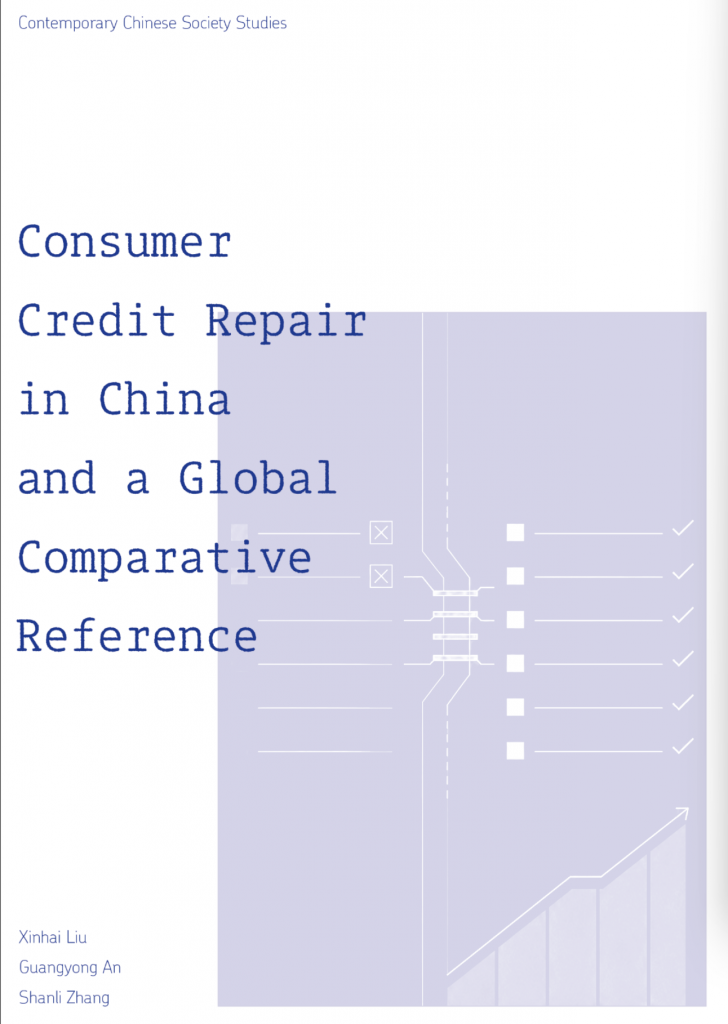
The publication compares personal credit repair, debt relief and credit rehabilitation practices in markets including the United States, Korea and China. As China places greater emphasis on mechanisms for personal credit repair and credit rebuilding, the topic is also becoming increasingly relevant to international dialogue within the credit reporting industry.
Now The English Version of Consumer Credit Repair is coming!
Chinese Companies Going Global Are Creating New Demand for International Credit Services
Another important topic was the rapidly growing demand for business information and credit services created by the international expansion of Chinese companies.
As more Chinese companies enter Southeast Asia, the Middle East, Europe, Africa and Latin America, they need to know not only who their customers, suppliers and partners are, but also their credit quality, payment capacity, ownership relationships, compliance risks and long-term business viability.
This is precisely where international business information and enterprise credit providers can create significant value.
For Chinese companies going global, high-quality international business information is no longer merely a risk-control tool. It is increasingly becoming part of the infrastructure required for international trade, supply-chain management and overseas investment.
From a longer-term perspective, the Belt and Road Initiative requires not only logistics, payments and financing infrastructure, but also stronger cross-border credit infrastructure. CRIF’s accumulated experience in credit systems, business information and risk analytics across Europe, Asia and emerging markets could therefore have meaningful relevance to China’s growing global business needs.
Maintaining an Open Attitude Toward China and Future Cooperation
CRIF’s direct business footprint in mainland China is currently relatively limited, but the discussions in Bologna demonstrated continued interest in the Chinese market, China’s credit information industry and the international needs of Chinese enterprises. The CRIF team also expressed an open and constructive attitude toward future cooperation.
This impression was reinforced at the subsequent BIIA industry conference in Manila, where Dr. Liu continued discussions with Simone Lovati, Managing Director of CRIF Asia, and Novi Rolastuti, a senior CRIF Asia executive in Business Information Services. The conversations explored Chinese companies going global, international business information, AI-driven credit technology and the possibility of strengthening CRIF’s engagement with the Chinese market.
In a global environment shaped by increasing economic uncertainty and geopolitical complexity, China’s credit industry needs both strong and reliable domestic credit infrastructure and continued exchange with professional credit information institutions in Europe, Asia and other global markets.
Credit itself is an infrastructure for building trust. Cooperation among credit information institutions across countries must likewise be built on long-term trust.
The Bologna visit therefore provided a promising starting point for further international cooperation in AI-driven credit technology, MyData and Open Banking, enterprise network analytics, services for Chinese companies going global, and the development of cross-border credit infrastructure for Belt and Road cooperation.
Together Picture with Ms. Novi Rolastuti in Manila, 2026-06
On 29 July, the People’s Bank of China and eight other government authorities issued a new policy on strengthening the development and use of data for sci-tech finance.
The policy introduces a national data catalogue covering eight categories and 26 indicators, including corporate innovation attributes, R&D investment, intellectual property, financing, operations, import and export activities, and innovation capability. It also encourages trusted data spaces, the authorized use of corporate cash-flow data, digital credit profiles, sector-specific risk models, industry-chain mapping, and the development of technology-enterprise databases by market-based credit reporting agencies.
This should not be understood as simply another government database project. It signals a broader transition in China’s sci-tech finance system: from assessing companies mainly through financial statements, collateral and official qualification lists, toward evaluating innovation capability, commercialization potential, real operating activity, cash flow and industrial-network position.
Korea’s Technology Credit Bureau (TCB) system offers a particularly relevant reference.
Since 2014, Korea has spent more than a decade developing a technology-finance infrastructure that connects technology assessment, corporate credit information and bank lending. TCB assessments typically examine not only the technical merits of an enterprise, but also marketability, business feasibility and its broader financial and credit position.
Based on our long-term tracking of the Korean TCB system and professional exchanges with institutions including KCIS,NICE,KoDATA and eCredible, the most important lesson is not that China should simply copy the Korean model. Rather, technology credit assessment must become a specialized and independently validated profession.
It requires industry-specific knowledge, reliable data standards, qualified evaluators, quality-control mechanisms and continuous feedback from actual lending performance. Korea’s experience also shows that rapid expansion in the number of assessments does not automatically guarantee assessment quality or better credit decisions.
The new Chinese policy could therefore create an important transformation opportunity for corporate credit reporting agencies.
By 2024, China had 154 corporate credit reporting agencies. However, many have yet to establish sustainable business models or sufficiently differentiated products. Some remain dependent on relatively simple public-data aggregation, conventional corporate reports or government-supported platforms.
Sci-tech finance opens a more specialized market. Credit reporting agencies could move toward:
• Sector-specific technology-enterprise databases • Technology credit assessment and monitoring • Patent, R&D team and commercialization analysis • Industrial-chain and enterprise-network mapping • AI-supported risk models for different technology sectors • Continuous post-lending monitoring and early warning
The commercial opportunity is not to build another static database or produce another apparently precise score. It is to create an explainable evidence layer between technology enterprises and financial capital.
The new Sci-Tech Finance policy from PBOC Wesite()
AI will be essential—but the AI era makes professional databases more necessary, not less.
General-purpose large language models cannot replace reliable, time-stamped, permissioned and sector-specific data. Their value lies in helping institutions extract and verify information from patents, research documents, corporate disclosures and industry materials. Knowledge graphs can connect companies with shareholders, R&D teams, patents, technologies, customers, suppliers and industrial chains. Graph analytics can reveal dependencies, network stability and possible risk transmission, while AI agents can support continuous monitoring.
This allows technology assessment to move from a static, company-by-company approach toward a dynamic and network-based approach covering both company-to-company relationships and technology-to-technology connections.
At the same time, one principle must remain clear:
Innovation potential is not the same as creditworthiness.
A company may own valuable patents or employ an excellent technical team but still face weak cash flow, uncertain commercialization or high customer concentration. Technology capability, commercial viability and repayment risk should therefore be evaluated separately before being integrated into a final financing decision.
Against the broader background of global technology competition and supply-chain restructuring, China’s attempt to improve financial support for AI, semiconductors, new energy and other technology-intensive industries is understandable. The more constructive international question is not who will “win” a technology race, but how financial institutions can support innovation without weakening credit discipline, data governance or risk management.
This is also where our current research and international cooperation are increasingly focused: combining technology credit assessment, corporate credit reporting, AI and relationship-graph analysis to explore the next generation of sci-tech finance infrastructure.
China’s new policy creates a window of opportunity. Whether it succeeds will depend not only on how much data is collected, but on whether that data can be converted into professional, explainable and continuously validated credit decisions.
Data is the core factor of the digital economy, and personal data is a key element within the entire data-factor market. It is not only a focal point of data governance across countries worldwide, but also a topic closely followed by major international media. MyData has become one of the mainstream industrial models in the global personal data economy in the post-GDPR era—characterized by stringent regulation of personal data—and has now attracted widespread attention globally, from Europe and the United States to emerging market economies.
I. Background of the Conference
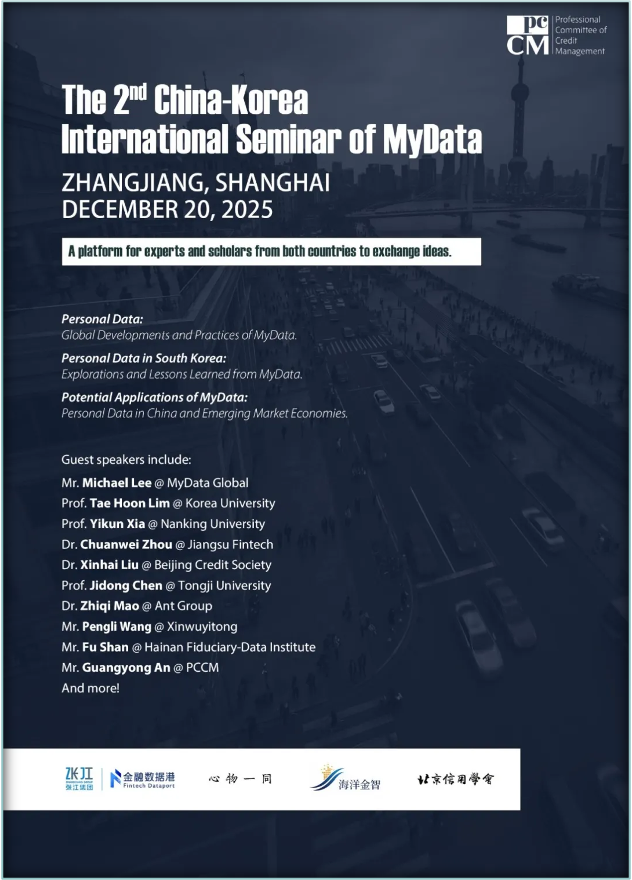
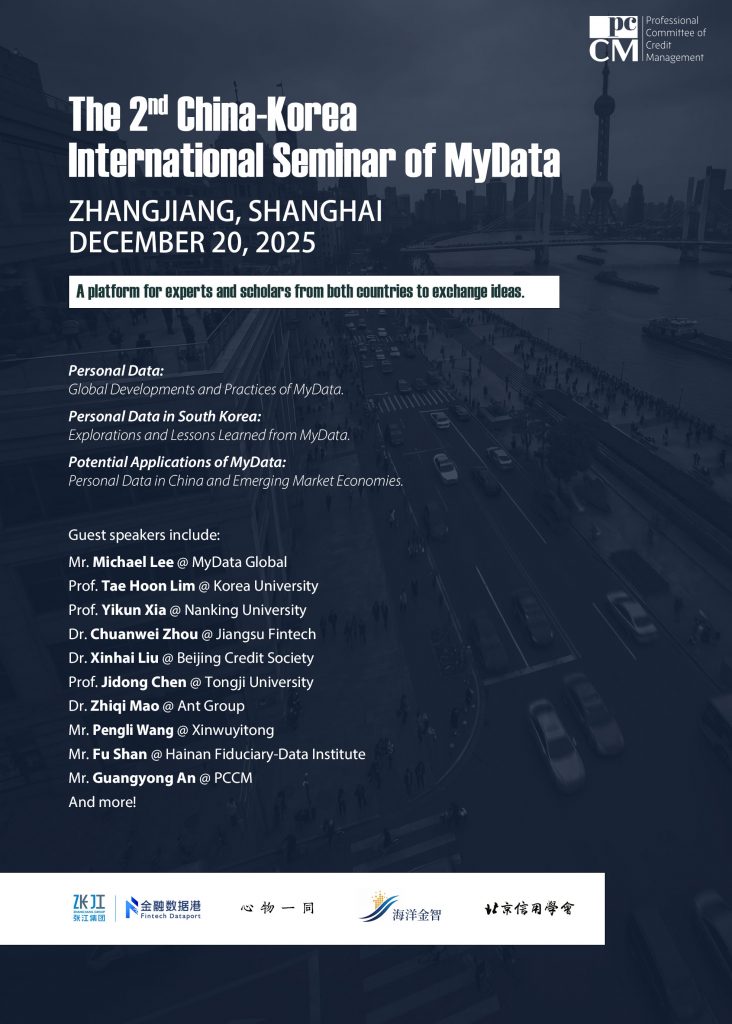
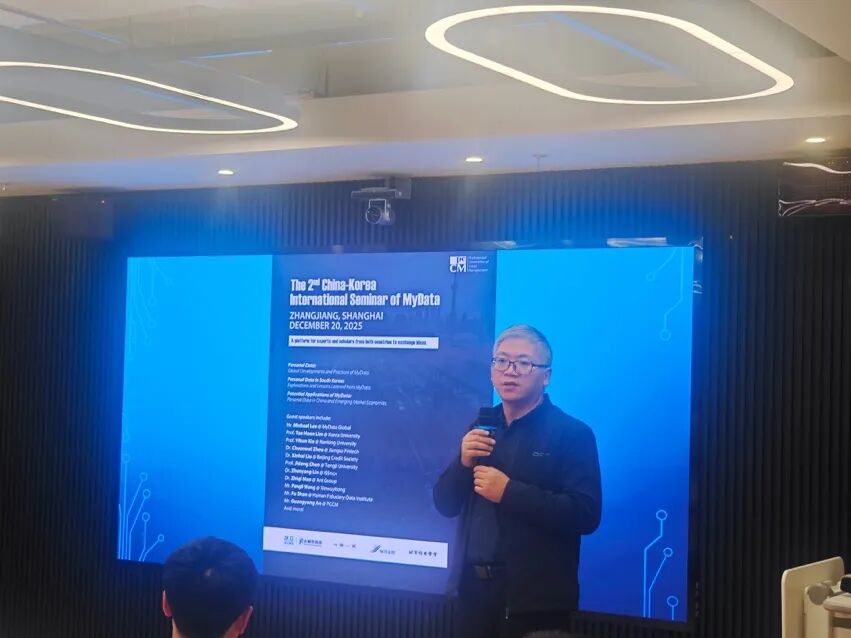
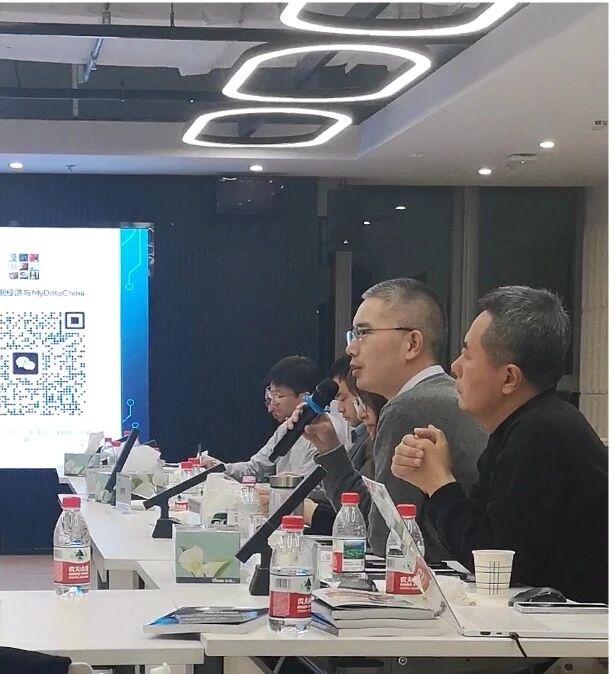
On December 20, 2025, following the first conference held on May 1, 2024 in Seoul, the 2rd China Korea International Seminar of MyData was successfully convened in Zhangjiang, Shanghai.
(I) Conference Theme
“People-Centered Approach: Exploring Innovative Pathways for the Factorization and Monetization of Personal Data”
Conference Objectives:To share cutting-edge global developments in personal data governance, personal data circulation, and MyData practices; to showcase the latest domestic practices in the industrial application of data factorization and data monetization; to promote China–Korea cooperation in data rights, data transactions, and trusted applications; to discuss pain points, institutional innovations, and technological pathways in China’s data factor market; and to release research outcomes related to MyData Asia or data factorization, thereby advancing the implementation of cooperative projects.
Basic Information of the Conference:
Conference Title:
The 2rd China Korea International Seminar of MyData
Date & Time:
Saturday, December 20, 2025, 13:00–18:00
Venue:
AI Innovation Center, Shanghai Zhangjiang Fintech DataPort
(No. 56 Fanchang Road, Pudong New Area),
Building 4 (North Wing), 8th Floor, Shanghai
Conference Themes:
Personal Data: Global Development and Practices of MyData
Personal Data in Korea: Explorations and Lessons Learned from MyData
Potential Applications of MyData: Personal Data in China and Emerging Market Economies
Speakers Include:
Mr. Michael Lee
Affiliation: MyData Global
Professor Tae Hoon Lim
Affiliation: Korea University
Professor Yikun Xia
Affiliation: Nanjing University
Dr. Chuanwei Zou
Affiliation: Jingsu Jinke Research Institute on Digital & Technology Finance
Dr. Xinhai Liu
Affiliation: Beijing Credit Society
Professor Jidong Chen
Affiliation: Low School of Tongji University
Dr. Zhiqi Mao
Affiliation: Ant Group Co., Ltd
Mr. Pengli Wang
Affiliation: XinwuYitong
Dean Fu Shan
Affiliation: Hainan Fiduciary-Data Institude
Mr. Guangyong An
Affiliation: Professional Committee of Credit Management, China Mergers & Acquisitions Association
Positioning of the Seminar:
A platform for experts and scholars in the digital economy from China and South Korea to exchange ideas and insights.
(II) Overview of Participation
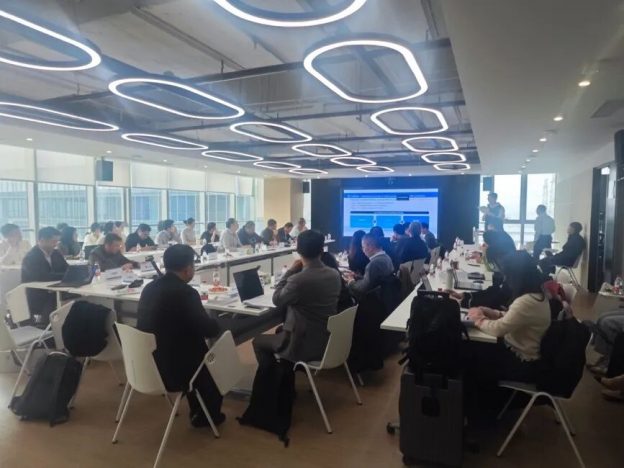
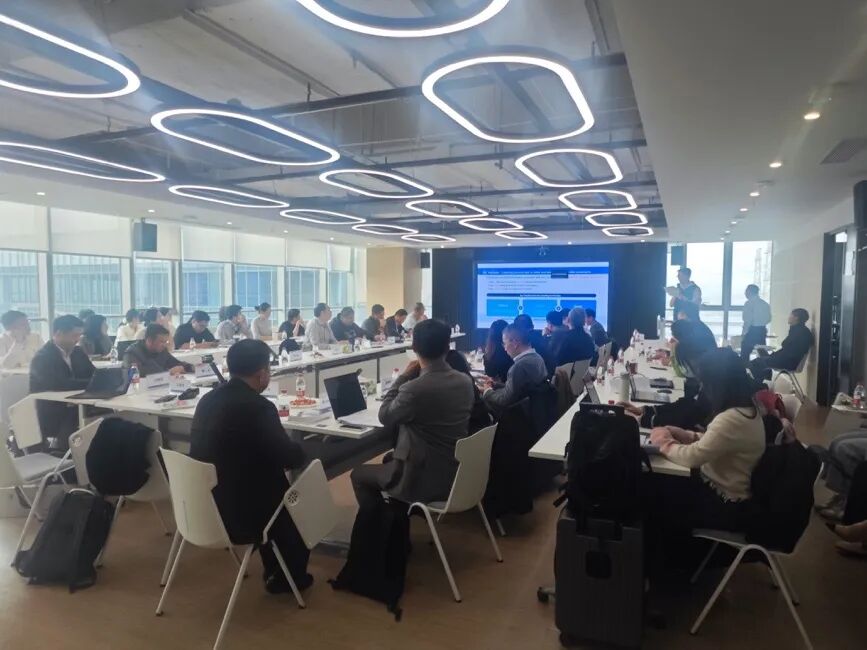
The seminar was originally planned as a closed-door workshop with approximately 20 participants. However, due to strong interest from professionals in the field, the final attendance exceeded 50 participants. Top experts in the Korean MyData sector were present, and nearly all major domestic institutions related to personal data sent representatives. These included organizations ranging from the State Information Center to the National Data Administration; from financial information infrastructures such as payment and credit reporting systems to personal credit reporting companies; from telecommunications operators to maritime information institutions; from major technology companies such as Ant Group Co., Ltd to publicly listed data companies; from think-tank experts of the China Academy of Information and Communications Technology to grassroots leaders of local data bureaus, as well as multiple start-ups, open-source communities, and public-interest foundations. Numerous data institutions based in Shanghai also participated actively.
In addition, experts and scholars with diverse disciplinary backgrounds—including economics, information management, digital finance, law, digital technology, public administration, and artificial intelligence—attended the seminar. They came from institutions such as Antai College of Economics and Management of Shanghai Jiao Tong University, the Data Management Innovation Research Center of Nanjing University, the Low School of Tongji University, East China University of Political Science and Law, leading law firms, the China Mergers & Acquisitions Association, and the Beijing Credit Society.
II. Opening Remarks
(I) Remarks by the Host
Mr. Xiaoqiang Shen, General Manager of Shanghai Fintech DataPort Development Co., Ltd., delivered the welcome address and introduced the development of the Zhangjiang Fintech DataPort. Established in 2003, the Zhangjiang Fintech DataPort welcomed China UnionPay as its first resident project. Subsequently, a number of major financial institutions settled in the park, including Ping An Insurance, Bank of China, Bank of Communications, the Credit Reference Center of the People’s Bank of China, the Clearing Center, the Anti-Money Laundering Center, as well as many other financial institutions. Over the long term, the park has focused on key areas such as payment, clearing, credit reporting, regulation, security, and standards, and is committed to building a practice zone for financial digital transformation, a cluster for financial data enterprises, a demonstration zone for financial data applications, and a pilot zone for financial innovation and regulation.
Mr. Shen noted that, as an important component of the Zhangjiang Group, the Zhangjiang Fintech DataPort serves the overall development of Zhangjiang Science City. At present, Zhangjiang Science City covers a total area of approximately 220 square kilometers and brings together around 500,000 entrepreneurs and 24,000 technology enterprises. Looking ahead, the Fintech DataPort will continue to empower financial institutions and technology companies, and welcomes stakeholders from all sectors to jointly explore new pathways for unlocking data value in the data-driven era and to achieve coordinated development in Zhangjiang.
(II) Conference Introduction by the Domestic Initiator of MyData
Dr. Xinhai Liu, Editor-in-Chief of Data Economy Review and initiator of the conference, introduced the background and origins of The 2rd China Korea International Seminar of MyData. He noted that he has long been engaged in technical work related to artificial intelligence, machine learning, and credit reporting, and through practice has deeply experienced the institutional and real-world challenges surrounding the proper use of personal data. In 2018, while participating in legislative research on the Personal Information Protection Law and related proposals to the National People’s Congress, he further came to recognize the significant differences among regulators, academia, industry, and the international community in their understanding of personal data. This prompted him to begin systematic policy and industry research in the field of personal data.
In 2019, during his research on South Korea’s personal credit reporting reform, Dr. Liu was first introduced to the concept of “MyData.” He has since continuously tracked its global development and became one of the earliest members of MyData Global in China. He emphasized that MyData, centered on the principle of “my data, my control,” represents an important model of data governance and data economy in the post-GDPR era. South Korea’s national-level promotion of MyData has achieved notable results, generating positive impacts for consumers, start-ups, and traditional institutions alike.
Dr. Liu believes that, as the world’s largest consumer data market, China possesses abundant application scenarios and a strong technological foundation, and that MyData is expected to become a new engine driving the high-quality development of China’s data economy. In recent years, his team has continuously promoted the dissemination of MyData-related concepts in China through research, publications, and international exchanges, and has launched MyData Journal, which has generated broad influence across academia, regulatory bodies, and industry. He noted in particular that his visits last year to MyData-related institutions in South Korea and his participation this year in the MyData Global Conference in Finland were highly rewarding, and he expressed his willingness to share these international frontier experiences with participants.
III. Keynote Speeches
The keynote session of the seminar was moderated by Mr. Pengli Wang, Co-founder of XinwuYitong, one of the event organizers known for its geek-oriented style. Mr. Guangyong An, a Korea-based expert in credit reporting and data and a researcher at the Research Institute of the China Mergers & Acquisitions Association, served as the professional interpreter for the two Korean experts participating in the seminar.
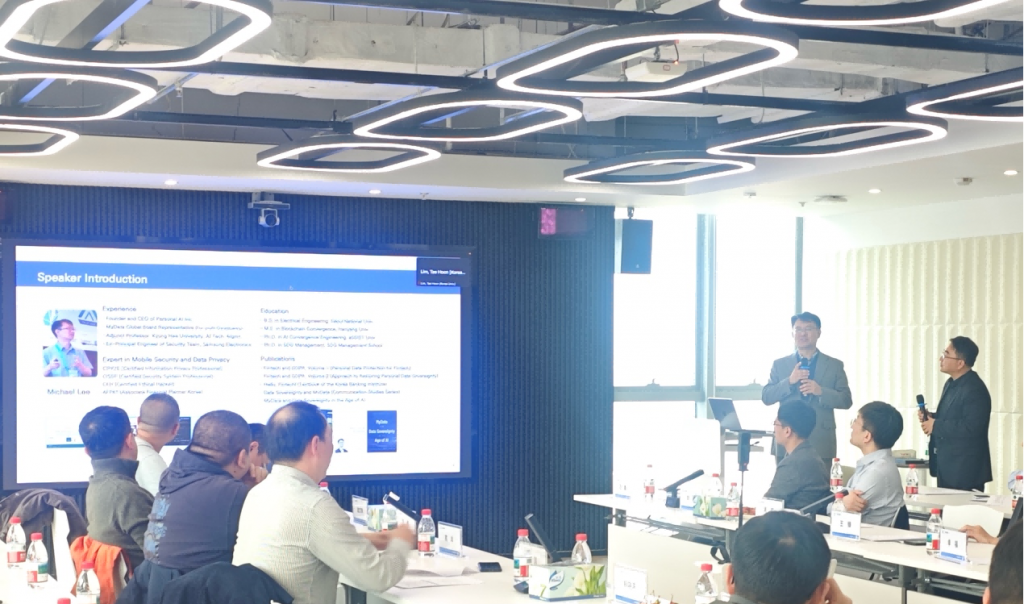
(I) Michael Lee, Board Member of MyData Global: Global Progress and Practices of MyData
Mr. Michael Lee, Board Member of MyData Global (the world’s largest non-profit organization dedicated to the personal data economy, established ten years ago and having exerted certain influence on EU policies), shared the latest global progress and practical experiences of MyData at the seminar, and systematically introduced the technological frontiers of MyData in the fields of blockchain and privacy-preserving computation. Mr. Lee has long been committed to research on blockchain-based MyData services and privacy protection technologies. He currently serves as a Board Member of MyData Global, Chief Executive Officer of SNPLab Inc., and Adjunct Professor of Artificial Intelligence Technology Management at the Graduate School of Technology Management of Kyung Hee University. He has worked for more than 27 years at multinational corporations such as Samsung Electronics and Motorola, and has extensive experience in security assessment, privacy policy, and data governance.
In his speech, he reviewed that MyData originated from a “people-centered data sovereignty movement,” with the core objective of enabling individuals to truly control their data, decide how their data is used, and obtain tangible value from data circulation. He pointed out that South Korea has taken the lead in institutionalizing and implementing MyData in sectors such as finance, public services, and healthcare. However, under a government-led and industry-segmented model, structural issues have gradually emerged, including insufficient innovation momentum and limited cross-industry collaboration. The future development of MyData, he argued, should return to the essence of personal sovereignty and avoid the formation of new platform monopolies.
Mr. Lee further shared a new pathway based on an “on-device data model,” under which personal data is stored directly on users’ devices and, combined with blockchain and privacy-preserving computation technologies, enables “data not to move while usage rights move.” This approach aims to truly assetize personal data and allow it to continuously create value. He expressed his expectation to deepen cooperation with China to jointly explore MyData development models with greater practical relevance and tailored to Asian markets, and to work together to advance a people-centered future of the data economy.
(II) Tae Hoon Lim, the “Father of MyData” in Korea: Exploration and Lessons of MyData in Korea
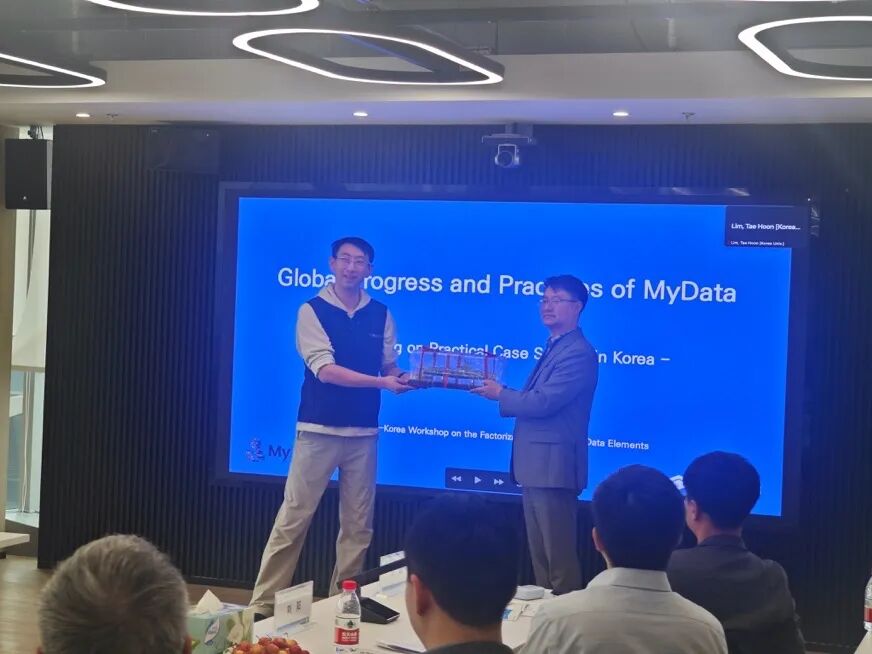
Professor Tae Hoon Lim, Research Professor at Korea University, systematically shared Korea’s exploration experiences and practical lessons in MyData at the seminar. Professor Lim has long been engaged in research related to MyData and is the author of MyData B.L.T.S., and is widely regarded in the industry as the “Father of MyData in Korea.” He currently serves as a Research Professor at the Institute for Convergence Research of Korea University, and is also involved in data policy research and industrial support work at the Korea Data Agency. For many years, he has provided consulting and services to governments and enterprises in the areas of data governance, data circulation, and industrial applications. His research fields cover MyData, data governance, data transactions, data value assessment, as well as the construction of data standards and quality systems.
Professor Lim pointed out that the rapid implementation of MyData in Korea has benefited from the BLTS ecosystem framework that he proposed and promoted, which advances data systems and industrial development in a coordinated manner across four dimensions: Business, Legal, Technology, and Society. This framework has provided a systematic methodology for the cross-industry promotion of MyData. At the practical level, Korea’s MyData has expanded from the financial sector to multiple scenarios including public services, healthcare, education, and transportation. Individuals are able to download, transfer, and use their own data through standardized APIs, enabling cross-institutional data circulation and service collaboration, such as the sharing of medical records across hospitals, the digitization of academic credentials, and one-stop aggregation of financial accounts.
He emphasized that the right to data portability and the individual’s right to independently decide on the use of personal data have been explicitly incorporated into Korea’s legal system, forming the core foundation for the operation of the MyData framework. However, Professor Lim also noted that Korea’s practice has revealed challenges in areas such as standards coordination, cross-industry collaboration, and public awareness. Looking ahead, he argued that the success of MyData depends not only on technological capabilities, but also on the formation of social consensus and the establishment of mandatory unified standards. He advised that, in advancing institutional innovation for personal data, China should focus on standard systems, legal authorization mechanisms, and shifts in multi-stakeholder perceptions, in order to truly achieve the goal of “returning data to individuals.”
(III) Jidong Chen, Tongji University: Personal Data Spaces and Their Computational Constraints in the Construction of the Data Factor Market
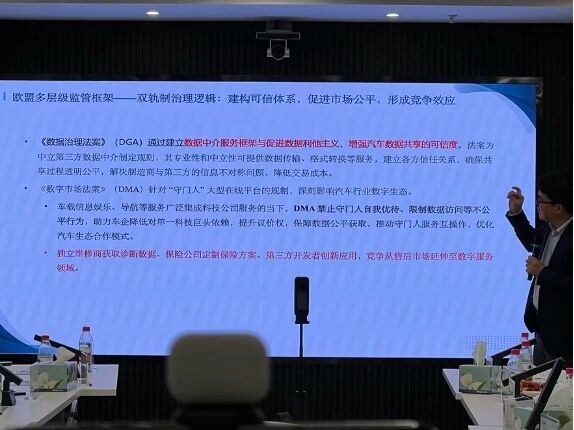
Professor Jidong Chen from the Low School of Tongji University pointed out that the core of future governance will no longer focus solely on data itself, but rather on the concept that “circulation is computation,” requiring the replacement of silo-based system thinking with spatial collaboration. European cases such as Gaia-X and Catena-X demonstrate that data spaces have become an important foundation for promoting industrial collaboration and value-chain innovation. Meanwhile, legal frameworks such as the Data Act and the Data Governance Act are reshaping the landscape of data rights, encouraging enterprises to shift from being “data monopolists” to “data coordinators.” Technical rules and legal rules together constitute a new logic of cooperation and justice, providing important insights for the future circulation of data factors in China.
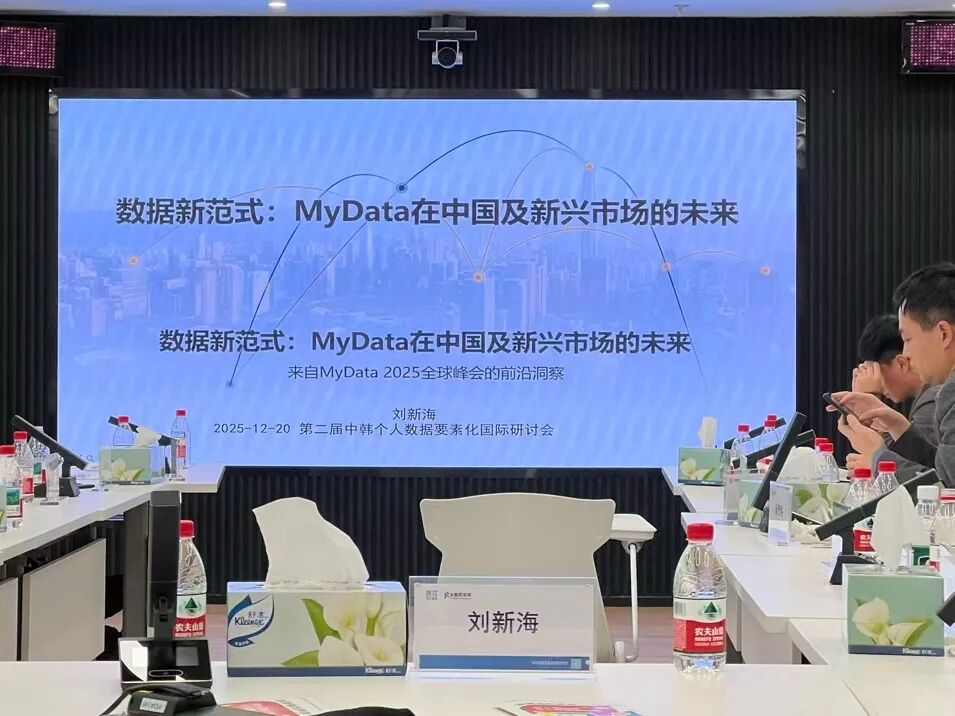
(IV) Xinhai Liu, Beijing Credit Society: Applications of MyData in China and Emerging Market Economies
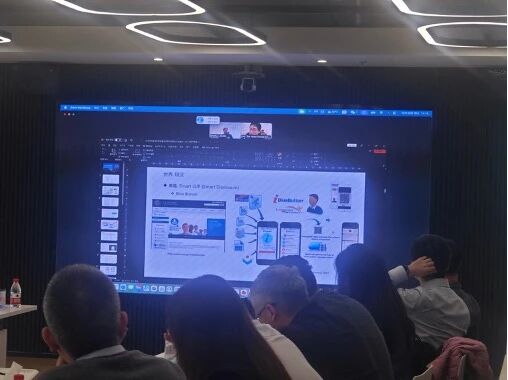
Dr. Xinhai Liu, Vice President of the Beijing Credit Society, shared key takeaways from the 2025 MyData Global Conference and expressed the view that MyData has broader prospects in China and emerging market economies. He proposed the establishment of MyData Asia to leverage global resource allocation and work together with emerging market countries to explore the future of the digital economy.
Dr. Liu pointed out that China possesses the world’s largest personal data infrastructure: platforms such as payments, credit reporting, medical insurance, big technology companies, and telecommunications operators each reach more than one billion users. However, the realization of data dividends faces an “impossible trinity” dilemma—protection pressure, innovation stagnation, and difficulties in data sharing. He emphasized that in the era of artificial intelligence, the real challenge is not data application itself, but rather “whether we trust whom we hand our data over to.” Therefore, it is necessary to build “digital fiduciaries” with ethical and institutional safeguards, enabling data to generate inclusive value while respecting privacy.
He noted that the MyData model offers a solution: through data portability, proactive personal AI assistants, and on-device computing technologies, data is no longer a moat for giants, but becomes common soil for innovation. He called for joint exploration of future digital economy innovation strategies in data governance for emerging market economies worldwide—“using China’s experience and exploration to provide solutions for the world.”
IV. Thematic Presentations of the Seminar
(I) Pengli Wang, XinwuYitong: Personal Data Driving Consumption
Mr. Pengli Wang, Founder of XinwuYitong, stated that Chinese-style modernization requires the parallel advancement of spiritual civilization and material civilization. He emphasized that the future digital economy must be built upon trusted personal data spaces, enabling data to be genuinely transformed into a driver of economic growth. He proposed establishing an innovative pilot zone in Shanghai for “personal data–driven consumption” through compliant digital infrastructure based on Web 3.0, forming a consumption incentive model with data traceability and closed-loop fiscal management via mechanisms such as DID digital identities and blockchain-based cultural and tourism vouchers.
He noted that culture and tourism represent the optimal entry point linking consumption tax reform, fiscal structure adjustment, and the practical implementation of the digital economy, and that China has a full opportunity to lead a new global paradigm of the data economy through institutional innovation.
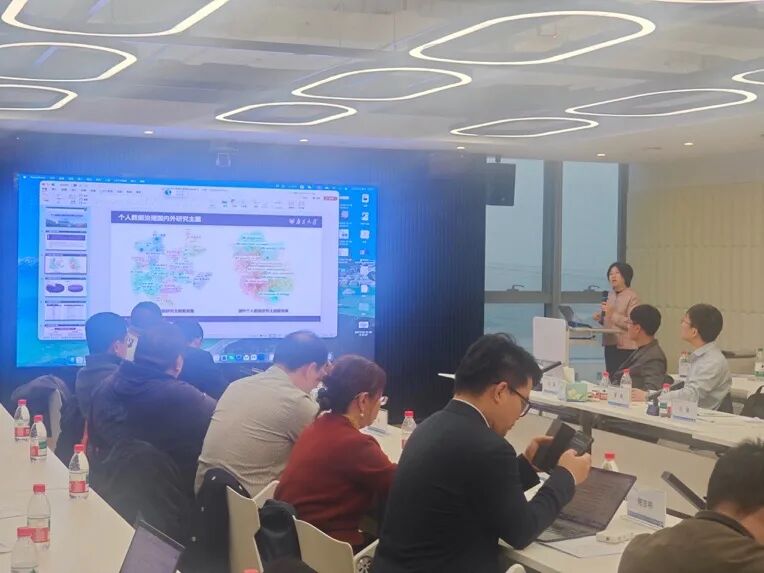
(II) Yikun Xia, Nanjing University: The Current State of Personal Data Governance Research at Home and Abroad
Professor Yikun Xia from the Data Management Innovation Research Center of Nanjing University systematically introduced global development trends in personal data governance. She pointed out that research on personal data has shifted from the traditional paradigm of “privacy protection” to that of “data governance,” with the governance logic evolving from an individual-informed-consent–centered approach toward collaborative governance involving multiple stakeholders and trusted third-party mechanisms. In this context, models such as MyData, data trusts, and data banks have become focal points of international exploration.
Professor Xia emphasized that China must seek an institutional balance between security and development. By innovating governance frameworks, China can address challenges such as insufficient clarification of data rights, conflicts in cross-border rules, and new types of privacy risks brought about by artificial intelligence, thereby building a future governance system that both protects individual rights and unlocks data value.
(III) Chuanwei Zou, Jingsu Jinke Research Institute on Digital & Technology Finance: The Architecture of the Personal Data Factor Market
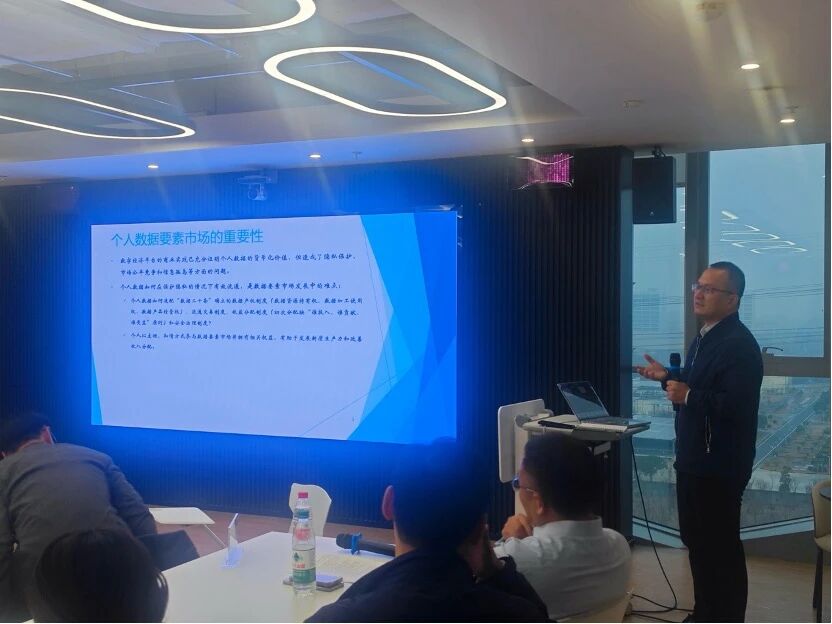
Dr. Chuanwei Zou, President of the Jingsu Jinke Research Institute on Digital & Technology Finance and a well-known scholar in financial technology research, systematically elaborated on the key elements for building a personal data factor market. He pointed out that commercial practices in the digital economy have fully demonstrated the significant monetization value of personal data, while also giving rise to structural problems such as privacy breaches, market imbalances, and information silos. Therefore, the effective circulation of personal data must be based on a clear data property rights regime and a robust security governance framework.
Dr. Zou emphasized that institutions matter more than technology. For data factors to participate in resource allocation, it is necessary to define the boundaries of rights related to the “holding–processing–operation” of personal data and to form fair prices through market mechanisms. He proposed that China should draw lessons from experiences such as open banking, Korea’s MyData, and India Stack. However, he stressed that ordinary individuals are not suited to directly enter the personal data factor market; instead, data aggregation, processing, and agency transactions should be carried out through data trusts, information banks, and professional brokers, with individuals benefiting through revenue return mechanisms.
He concluded that the real driving force behind market formation lies in safeguarding individual rights and incentivizing data controllers to change their behavior, rather than directly regulating and transforming platforms.
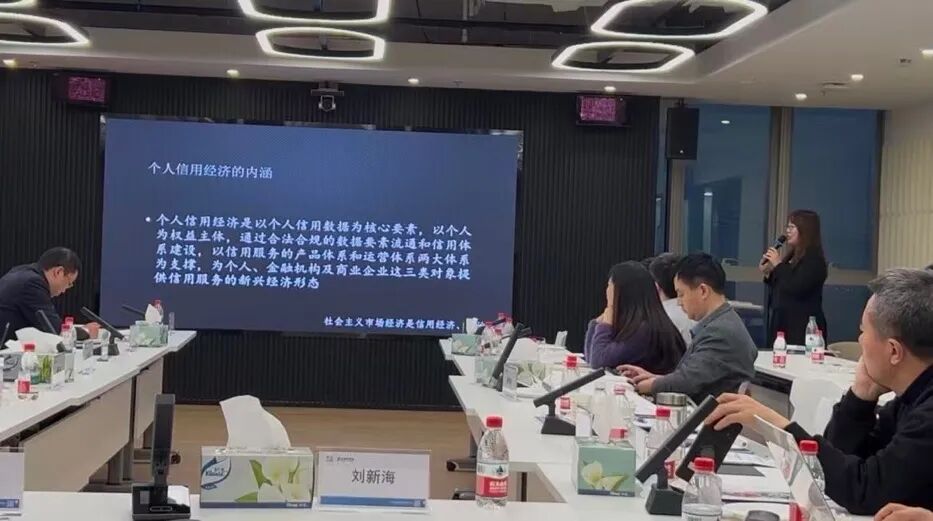
(IV) Zhiqi Mao, Ant Group Co., Ltd.: Reflections on the Personal Credit Economy
Dr. Zhiqi Mao, Senior Research Expert at Ant Group Co., Ltd, delivered a keynote speech on “Reflections on the Personal Credit Economy,” proposing that the future construction of China’s credit system will enter a new stage centered on “personal credit assets.” She noted that the personal credit economy represents a new form of economy in which personal credit data serves as the core factor and individuals are the primary rights holders. Through the circulation of data factors and the development of credit systems, it provides credit support for individuals, financial institutions, and enterprises across financing, consumption, transactions, and public social services.
Dr. Mao emphasized that a socialist market economy is essentially a credit-based economy and a rule-of-law-based economy, and that the new credit economy should evolve along three major directions. First, the concretization of personal credit, enabling credit to be “visible and usable” in everyday life scenarios. Second, government participation and utilization in personal credit, providing foundational infrastructure through institutional safeguards and public credit platforms. Third, the industrialized operation of credit, forming market mechanisms in which product systems and operational systems develop in parallel.
(V) Shanli Zhang, Shandong University: Consumer Reporting Companies in Vertical Consumption Scenarios—Implications for China’s Data Monetization Path
Mr. Shanli Zhang, Ph.D. candidate at the Law School of Shandong University, delivered a keynote speech entitled Consumer Reporting Companies in Vertical Consumption Scenarios: Implications for China’s Data Monetization. He pointed out that, in addition to traditional credit reporting agencies, an important pillar of the U.S. data economy lies in vertical consumer reporting companies that are deeply embedded in consumption and industrial value chains. These institutions primarily serve B2B clients and, across specific scenarios such as housing rentals, employment, medical billing, telecommunications billing, and vehicle valuation, provide risk identification and price formation capabilities through data processing, thereby achieving a truly commercial closed loop.
He emphasized that current discussions on data factorization in China focus more on institutions and regulation, but what ultimately determines the success of monetization is “who can transform data into decision-making capabilities and persuade enterprises to pay for risk reduction or price formation.” Therefore, as China advances the development of personal data markets, data trusts, and information banks, it should simultaneously deploy industry-specific consumer reporting institutions and, through trusted data agency mechanisms, ensure the return of benefits to individuals—so that data is not merely “seen,” but can truly be “realized.”
Dr. Fu Shan, President of the Hainan Fiduciary-Data Institude, shared new trends in legislation related to the digital economy and digital finance.
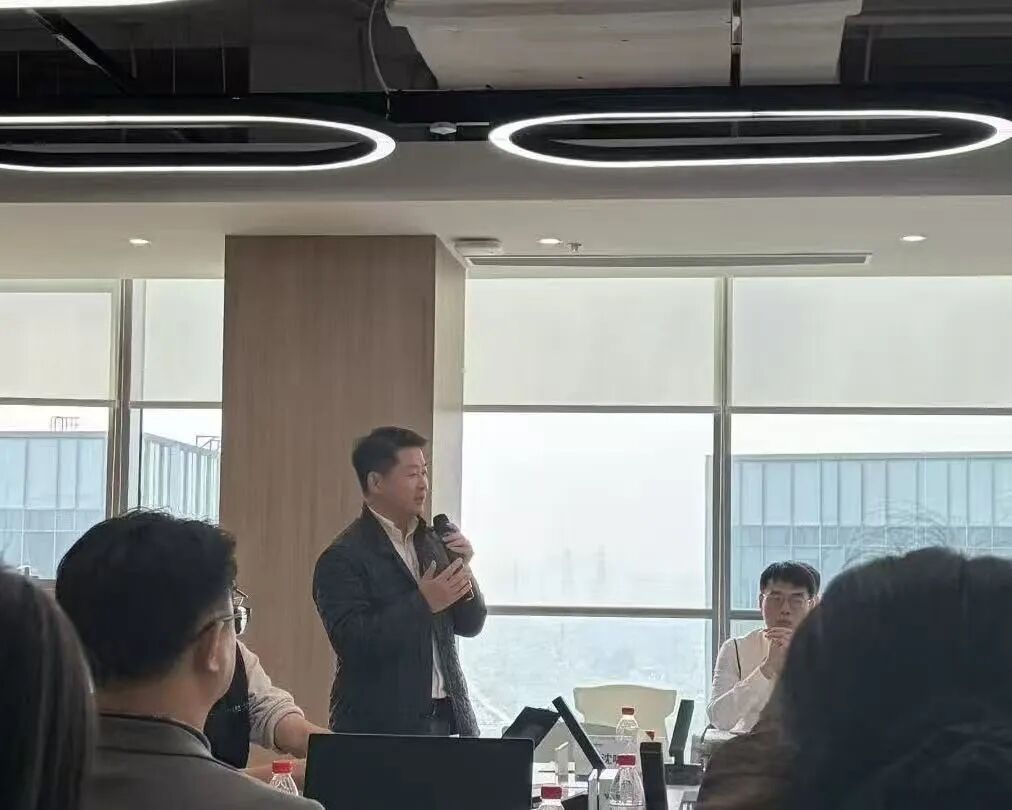
During the open discussion session, Mr. Chunxue Xu, Director of the Public Service Department of State Information Center; Professor Yongguo Xu from the Antai College of Economics and Management of Shanghai Jiao Tong University; Ms. Xiaoyan Ke from the China Telecom Research Institute; Mr. Li Chen, Deputy Director of the Hechuan District Data Bureau of Chongqing Municipality; and Mr. Xin Wang, Vice President of Weiyan Technology, respectively took the floor to share their perspectives on personal data as well as their reflections on participating in the seminar.
After the formal seminar concluded, sponsored by XinwuYitong, Chinese and international participants proceeded together to the Pujiang Dragon Boat Night Banquet, where they continued discussions on the data economy.
V. Release of Seminar Outcomes
This seminar released three annual outcome reports and shared two new works by participating guests. Other outcomes, including additional presentations by seminar participants, will be gradually compiled and released to the public at a later stage.
(I) Release of the Chinese Translation of MyData B.L.T.S. (Chinese Title: A New Engine of the Digital Economy—Building the MyData Ecosystem)
This is a professional book on the MyData business model and ecosystem development. The author team includes Professor Tae Hoon Lim from Korea University and other scholars with profound research foundations in the field of MyData. The book provides an in-depth exploration of MyData as an emerging global data economy model, with a particular focus on its business logic, legal frameworks, technological pathways, and social impacts in the post-GDPR era. MyData aims to be people-centered, empowering individuals with self-determination over their own data while promoting innovation in the digital economy, and has been successfully implemented in Korea with remarkable results.
The book elaborates in detail on how to build a healthy data ecosystem through MyData, supporting the circulation of personal data and trust-based innovative services. Its content covers MyData from multiple perspectives, including legal, technological, service-related, and social impacts, providing valuable practical experience and theoretical foundations for practitioners in the fields of global data governance and the data economy.
Since its initial release in 2022, the book has attracted widespread attention in Korea and globally. To promote its dissemination in the Chinese market, the translation team is composed of well-known domestic data experts who, in combination with the characteristics of the Chinese market, strive to translate the concepts and applications of MyData into practical implementation, thereby advancing data factorization and the development of the personal data economy in China. The book is scheduled for publication in the first half of 2026.
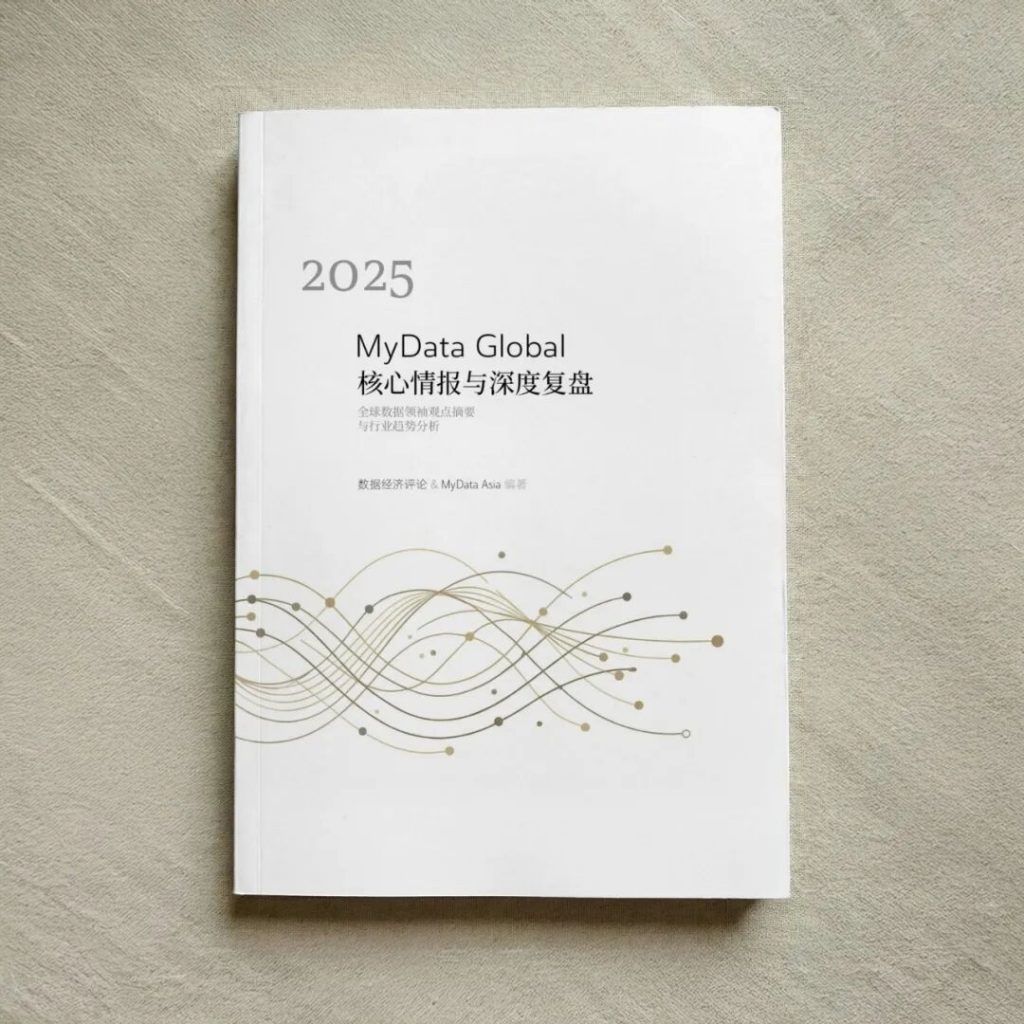
(II) MyData Annual Report (to Be Released Upon Authorization from MyData Global)
The core of this report centers on MyData, a people-centered personal data management model. Based on the MyData Global Conference held in September 2025 in Finland, the report explores how to balance data protection, data utilization, and economic value creation in the context of artificial intelligence and increasingly stringent global regulation. The conference brought together internationally renowned experts in the fields of data governance, law, and technology. The conference content mainly covered four interrelated areas:
(1) Governance, Law, and Policy;
(2) Technology, Interoperability, and Data Spaces;
(3) AI and Personal Agents;
(4) Sectoral Applications and Emerging Markets.
The MyData concept aims to build a fair, sustainable, and prosperous digital society. Its core lies in empowering individuals with control over their personal data, enabling them to acquire knowledge, make informed decisions, and interact effectively with other individuals and organizations. This concept proposes a set of principles and three major paradigm shifts, has been translated into more than a dozen languages, and has been endorsed by nearly 2,000 individuals and organizations.
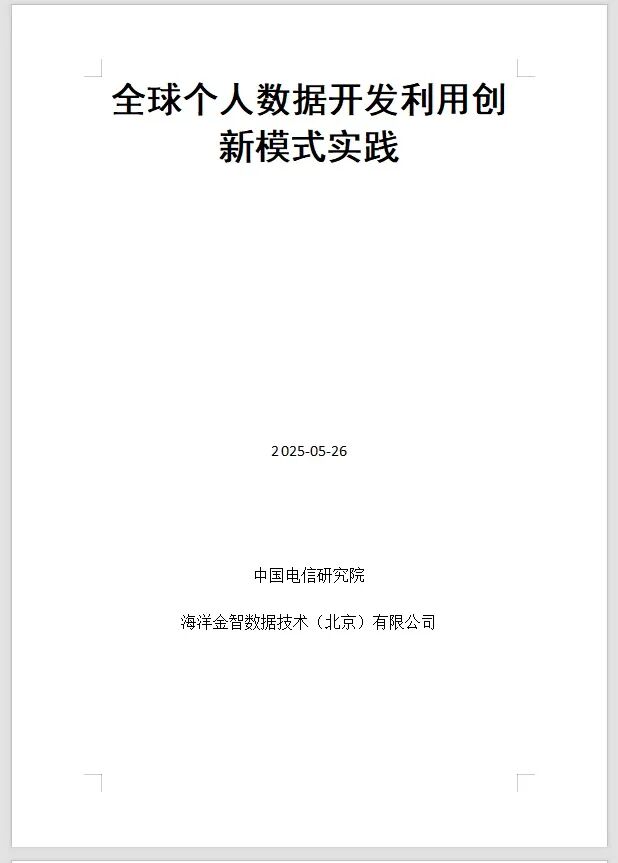
(III) Release of the Report Research on Innovative Models for the Development and Utilization of Global Personal Data
This report was jointly developed by the China Telecom Research Institute and Haiyang Jinzhi Data Technology (Beijing) Co., Ltd.. The report aims to explore innovative models for the development and utilization of personal data on a global scale, analyzing their concepts, current development status, characteristics, outcomes, and the challenges they face. It selects several representative models for in-depth study, including personal credit reporting, professional consumer reporting companies, data brokers, data trusts, and open banking, and also examines data practices in emerging market economies as well as data models of three major large technology platforms. In addition, the report places particular emphasis on introducing Korea’s MyData model, analyzing its characteristics and its reference value and implications for China. Through an examination of these models, the report seeks to provide useful insights on how to strike a balance between protecting personal privacy, promoting data-driven innovation, and achieving fair competition.
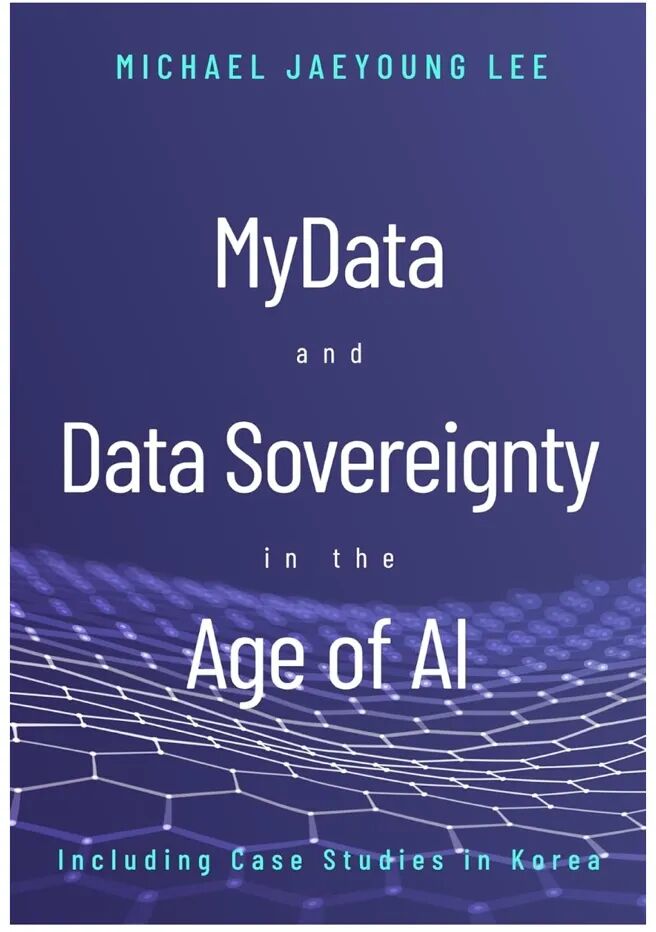
(IV) MyData and Data Sovereignty in the Age of AI
A work by Mr. Michael Lee, Board Member of MyData Global:
MyData and Data Sovereignty in the Age of AI
Overview:
The era of data sovereignty has arrived, and the world is transitioning toward a data-driven society. From the perspectives of big data and personal data, this book explores issues related to data ownership. Innovative services that integrate technologies such as blockchain, virtual reality/extended reality (VR/XR), and artificial intelligence (AI) are emerging one after another; however, what ultimately drives these innovative services is personal data.
Accordingly, the ownership, scope, and modes of use of data are also undergoing transformation. Data ownership is shifting from centralized to decentralized, from corporate ownership to individual ownership, and from big-data-based approaches to personal-data-based approaches.
From the perspectives of data sovereignty and the GDPR, the book elaborates on “MyData” and the changes it is expected to bring, and provides an in-depth discussion of the impact of artificial intelligence on “MyData.” The author proposes a people-centered and practically feasible implementation approach to “MyData,” and, in particular, puts forward a technical solution for the utilization of personal data based on data sovereignty.
In addition to policy discussions related to data sovereignty and personal data, the book also outlines research on data technology applications. It helps deepen the understanding of technological, policy, and market developments related to MyData.
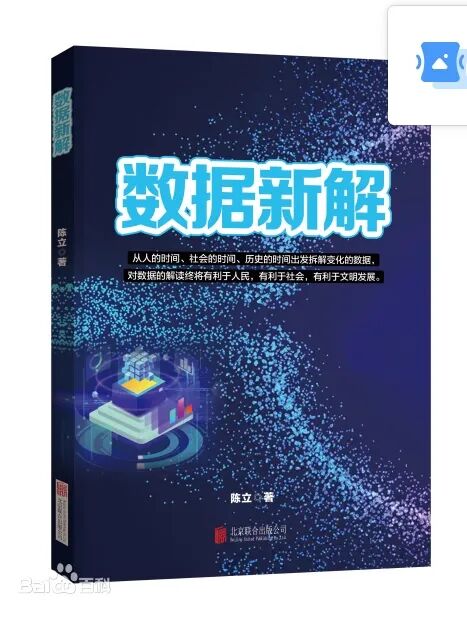
(V) A New Interpretation of Data
Authored by Mr. Li Chen, Deputy Director of the Data Bureau of Hechuan District, Chongqing Municipality.
A New Interpretation of Data advances the view that the state should build a universal network identity account for all users that is applicable across all industries, and that this account should be controlled to the greatest possible extent by the users themselves. Under overall national coordination, users would thereby regain data rights that allow them to engage in equal dialogue with platforms. Unlike the decentralization perspective of Web3 (the third generation of the Internet, a decentralized network built on blockchain technology), the book starts from the interrelated logic of “people, data, and time,” arguing for the establishment of a time-element–centered data network ecosystem that is “based on a national user management system, with users’ autonomous choice over the time traces of their data activities as the core.”
Using the foundational element of account existence—the “account”—as an entry point, the book analyzes, explains, and demonstrates, from the perspectives of current problems in data transformation, background logic, and response strategies, the necessity, urgency, and feasibility of building time-based accounts that take the time of individuals’ data activities as the sole reference element. When all data information associated with an individual is first linked to the user through a unique, time-based account, then all data generated by human behavior can be primarily controlled by the individual who has expended the time to perform those activities. In this way, people can truly feel secure in digitizing all activity behaviors and interacting—through digital twins—with others, with society, and with the past and the future.
Subsequently, a series of evolutions may gradually be realized, including the creation of a unique digital portal for individuals in cyberspace, the logical attribution of data property rights to users’ time traces, the controllable trading of data assets that become uniquely locked due to changes in time traces, and integrated sanctions against accounts involved in digital illegal activities. Under account rules that are controllable by users themselves, platforms’ practices of leveraging the overwhelming advantages of account agreements to obtain improper benefits will become unsustainable, prompting a shift toward better services and innovation.
VI. Organizers of the Seminar
Organizers:
Beijing Credit Society
Data Economy Review & MyData China
Shanghai Fintech DataPort Development Co., Ltd.
XinwuYitong Digital Technology (Shanghai) Co., Ltd.
Co-organizers:
Haiyang Jinzhi Data Technology (Beijing) Co., Ltd.
Professional Committee of Credit Management, China Mergers & Acquisitions Association
Special thanks are extended to the conference staff from the Fintech DataPort, XinwuYitong, and Haiyang Jinzhi for their support and contributions.
VII. Next Steps
The seminar also discussed preparations for MyData Asia. On the one hand, it aims to deepen domestic exchanges and discussions and promote collaboration among industry, academia, and research institutions; on the other hand, it seeks to bring together top global experts and industry organizations, absorb and draw upon international practical experience, and explore solutions for the monetization of personal data.
Personal data concerns the digital future of China’s 1.4 billion consumers and, from a global perspective, is closely linked to the digital dividends of 8 billion people worldwide. Data Economy Review will continue to build China’s MyData community by bringing together industry forces through professional exploration, running the MyData Journal effectively, and providing professional services such as timely dissemination of the latest global developments, sharing member information, integrating resources, and facilitating seminars and exchanges, in order to jointly explore innovative development pathways for China’s personal data economy.
On behalf of the Professional Credit Management Committee of the China Mergers & Acquisitions Association (PCCM) and the Beijing Credit Society, we are deeply saddened to learn of the passing of Professor Bart Baesens of KU Leuven on August 6, 2025.
Professor Baesens was one of the most influential scholars in the field of global credit risk. His research has had a profound and lasting impact on both academic theory and practical applications.
We extend our heartfelt condolences and deepest sympathy to his family during this difficult time.
We are sincerely grateful for Professor Baesens’s outstanding contributions to the discipline of credit risk management — through his prolific high-quality research papers, influential academic books, and his dedicated mentorship of scholars. We especially appreciate his support for Chinese researchers and his keen interest in China’s credit risk issues.
As professional academic institutions, we will publish a special collection of research reports in memory of Professor Baesens, honoring his remarkable legacy and enduring influence on our field.
May his work continue to inspire generations of scholars to come.
Professional Committee of Credit Management the China Mergers & Acquisitions Association(PCCM)
Beijing Credit Society 2025-08-12
About the Professional Credit Management Committee of the China Mergers & Acquisitions Association (PCCM)
The Professional Credit Management Committee of the China Mergers & Acquisitions Association, established in 2019, is a nationwide, non-profit professional research institution. It brings together leading domestic and international experts in credit management as well as globally renowned credit service organizations. Most of its experts hold doctoral degrees and have overseas professional experience. The Committee currently publishes the electronic journal *Global AI & Credit Technology Trends*.
Website: http://en.pccm-credit.com
About the Beijing Credit Society
Founded in April 2021, the Beijing Credit Society has over 300 members and more than 30 distinguished research fellows, most of whom have professorial academic backgrounds. It is currently the largest professional academic institution in the field of credit in China.
The “Regulations on Promoting and Standardizing Cross-Border Data Flows” have been reviewed and approved at the 26th office meeting of the State Internet Information Office on November 28, 2023. They are hereby announced and shall be implemented from the date of announcement.
Director of the State Internet Information Office
Zhuang Rongwen
March 22, 2024
Provisions on Promoting and Standardizing Cross-Border Data Flows
Article 1: In order to safeguard data security, protect the rights and interests of personal information, and promote the lawful and orderly free flow of data, these provisions are formulated in accordance with the laws and regulations of the People’s Republic of China, including the Cybersecurity Law of the People’s Republic of China, the Data Security Law of the People’s Republic of China, and the Personal Information Protection Law of the People’s Republic of China, concerning the implementation of the data export system, such as data export security assessments, standard contracts for the export of personal information, and personal information protection certification.
Article 2: Data processors shall identify and declare important data in accordance with relevant regulations. If data has not been identified or publicly announced as important data by relevant departments or regions, data processors are not required to undergo a data export security assessment for data that is not declared as important data.
Article 3: Data collected and generated in activities such as international trade, cross-border transportation, academic cooperation, cross-border production and manufacturing, and marketing, provided to overseas without involving personal information or important data, shall be exempted from the requirement to undergo a data export security assessment, enter into standard contracts for the export of personal information, or obtain personal information protection certification.
Article 4: When personal information collected and generated by data processors overseas is transferred to China for processing and subsequently provided to overseas without introducing personal information or important data during the processing, they shall be exempted from the requirement to undergo a data export security assessment, enter into standard contracts for the export of personal information, or obtain personal information protection certification.
Article 5: Data processors providing personal information overseas shall be exempted from the requirement to undergo a data export security assessment, enter into standard contracts for the export of personal information, or obtain personal information protection certification if they meet one of the following conditions:
(1) It is necessary to provide personal information overseas for the conclusion or performance of contracts in which individuals are parties, such as cross-border shopping, cross-border mailing, cross-border remittance, cross-border payment, cross-border account opening, airline and hotel reservations, visa application, examination services, etc.;
(2) It is necessary to provide employee personal information overseas for the implementation of cross-border human resources management in accordance with legally formulated labor regulations and collective contracts signed in accordance with the law;
(3) It is necessary to provide personal information overseas to protect the life, health, and property safety of natural persons in emergency situations;
(4) Data processors other than operators of critical information infrastructure have provided less than 100,000 pieces of personal information (excluding sensitive personal information) overseas cumulatively since January 1 of the current year.
The personal information provided overseas as referred to in the preceding paragraph does not include important data.
Article 6: Free Trade Pilot Zones may independently formulate a negative list of data that needs to be included in the scope of data export security assessments, standard contracts for the export of personal information, and personal information protection certification management within the framework of the national data classification and grading protection system. After approval by the provincial-level cybersecurity and informatization committee, it shall be filed with the competent authority of the State Cyberspace Administration and the competent authority of the National Data Management Department.
Data processors providing data overseas within the Free Trade Pilot Zones that is not included in the negative list may be exempted from the requirement to undergo a data export security assessment, enter into standard contracts for the export of personal information, or obtain personal information protection certification.
Article 7: Data processors providing data overseas shall apply for a data export security assessment through the provincial-level cyberspace administration department to the competent authority of the State Cyberspace Administration if they meet one of the following conditions:
(1) Operators of critical information infrastructure provide personal information or important data overseas;
(2) Data processors other than operators of critical information infrastructure provide important data overseas or have provided personal information (excluding sensitive personal information) to overseas exceeding one million people, or sensitive personal information exceeding ten thousand people cumulatively since January 1 of the current year.
The provisions of Articles 3, 4, 5, and 6 of these regulations shall apply to the above situations.
Article 8: Data processors other than operators of critical information infrastructure that have provided personal information (excluding sensitive personal information) to overseas exceeding one hundred thousand people but less than one million people, or sensitive personal information to less than ten thousand people cumulatively since January 1 of the current year, shall conclude standard contracts for the export of personal information with the overseas recipient or obtain personal information protection certification in accordance with the law.
The provisions of Articles 3, 4, 5, and 6 of these regulations shall apply to the above situations.
Article 9: The validity period of the results of the data export security assessment shall be three years from the date of issuance of the assessment results. When the validity period expires and it is necessary to continue data export activities without the occurrence of circumstances requiring a reapplication for a data export security assessment, data processors may apply to extend the validity period of the assessment results to the competent authority of the State Cyberspace Administration through the provincial-level cyberspace administration department 60 working days before the expiration of the validity period. With the approval of the competent authority of the State Cyberspace Administration, the validity period of the assessment results may be extended for three years.
Article 10: Data processors providing personal information overseas shall fulfill obligations such as notification, obtaining individual consent, and conducting personal information protection impact assessments in accordance with laws and regulations.
Article 11: Data processors providing data overseas shall comply with laws and regulations, fulfill obligations of data security protection, adopt technical measures and other necessary measures to ensure data export security. In the event of or potential for a data security incident, remedial measures shall be taken, and timely reports shall be made to the provincial-level and above cyberspace administration departments and other relevant competent authorities.
Article 12: Local cyberspace administration departments shall strengthen guidance and supervision over data processors’ data export activities, improve the data export security assessment system, and optimize the assessment process. They shall strengthen end-to-end and all-domain supervision before, during, and after data export activities. In case of significant risks in data export activities or occurrence of data security incidents, data processors shall be required to rectify and eliminate hidden dangers. Those who refuse to correct or cause serious consequences shall be held accountable according to law.
Article 13: If there is any inconsistency between these regulations and the “Measures for the Security Assessment of Data Export” (Order No. 11 of the State Cyberspace Administration, announced on July 7, 2022), and the “Methods for Standard Contracts for the Export of Personal Information” (Order No. 13 of the State Cyberspace Administration, announced on February 22, 2023), and other relevant regulations promulgated on July 7, 2022, and February 22, 2023, these regulations shall prevail.
Article 14: These regulations shall come into force on the date of promulgation.
Xinhua News Agency, Beijing, October 26th – The Economic Reference Newspaper published an article on October 26th titled “National Bureau of Statistics Unveiled: Advancing the Construction of Digital China”.
According to the article, on the morning of October 25th, the National Bureau of Statistics was officially unveiled. According to the “Plan for the Reform of Party and State Institutions”, the National Bureau of Statistics is responsible for coordinating and promoting the construction of the data basic system, overall planning for the integration, sharing, and development of data resources, and coordinating the planning and construction of digital China, digital economy, and digital society.
Industry experts stated that the establishment of the National Bureau of Statistics will promote the comprehensive implementation of the overall layout of digital China construction, enhance the systematic and coordinated allocation of data elements in the market, fully leverage China’s massive data scale and rich application scenarios, and strengthen, optimize, and expand the digital economy.
On October 25th, citizens passed by the newly unveiled National Bureau of Statistics. Photo by Xinhua News Agency reporter Luo Xiaoguang.
Currently, China is accelerating the construction of its data basic system. At the end of last year, the “Opinions of the CPC Central Committee and the State Council on Better Utilizing Data Elements by Constructing Data Basic System” was issued, focusing on data property rights, circulation transactions, income distribution, and security governance, and systematically laid out the “four beams and eight pillars” of the data basic system. In February of this year, the “Overall Layout Plan for Digital China Construction” was released, emphasizing the smooth flow of data resources.
At the same time, various parties are accelerating their layout in the field of data elements, exploring deep implementation plans from multiple levels and perspectives such as institutional mechanisms, market circulation, product research and development, and standard specifications. For example, recently, policies have been successively issued in Beijing, Shanghai, Guizhou, Hubei, and other places, clarifying the goal of building data element markets with a scale of hundreds of billions in the coming years, and promoting orderly circulation of social data and accelerating the development and utilization of data resources.
With various parties accelerating the exploration of new models of data circulation and innovative application scenarios, the value of data elements continues to be released. According to the “Digital China Development Report (2022)” released in April this year, China’s big data industry reached 1.57 trillion yuan in 2022, an increase of 18% year-on-year. In addition, data from the China Academy of Information and Communications Technology shows that China’s data transaction scale exceeded 70 billion yuan in 2022, and the overall market size is expected to exceed 220 billion yuan by 2025.
Industry insiders believe that overall, China’s data element market development is still in its early stages, and there is still room for further exploration and refinement.
Experts from the China Academy of Information and Communications Technology also stated that China has the advantage of massive data resources, laying an important foundation for data to become a production factor. In the future, through a combination of institutional design, technological application, and industry cultivation, these advantages will be transformed into capabilities to unleash the value of data elements.
On the afternoon of September 28, 2023, at the invitation of the National Information Center, Researcher An Guangyong, an expert from the Credit Management Professional Committee of the All-China Mergers and Acquisitions Association, visited the Public Technical Service Department of the National Information Center to share and exchange views on the development trends of data economy, particularly South Korea’s MyData.
Researcher An Guangyong shared the latest trends and development directions of MyData worldwide through comprehensive horizontal and vertical comparisons. He analyzed the achievements of South Korea’s MyData on a global scale from various perspectives such as geographical location, culture, and history. He then introduced specific successful cases of South Korea’s MyData, spanning various sectors including finance, healthcare, and education. These practical cases provided tangible references for the digital economy, demonstrating the achievements and benefits of MyData in practical applications in South Korea.
Attendees showed strong interest in the architecture, regulatory mechanisms, and related licenses of MyData. They discussed how the government can ensure the security and compliance of MyData, as well as how related industries can obtain necessary permits and certifications.
Both parties plan to continue exchanging and cooperating in the next step, researching how MyData can be implemented in China and its macroeconomic effects, such as its contribution to GDP growth and employment rates.
As a Korean returnee expert in credit and data, An Guangyong and his team have been closely tracking and researching the trends of the South Korean MyData industry since 2019. They have also shown concern for the digital economy and AI development in South Korea, conducting multiple research trips to South Korea in 2023 to investigate MyData regulations and the industry.
An Guangyong’s team regularly updates the latest MyData developments in the electronic journals “Data Economy Review” and “Global Credit Technology Dynamics,” and publishes related research reports. They have also published several MyData-themed articles in “Credit” and “Tsinghua Financial Review.” Some references to their research include:
Expert Opinion | Innovation Direction of Personal Credit Industry—South Korea’s MyData Industry and Credit Applications, “Credit,” 2023.
New Business Model of Personal Financial Data—Taking South Korea’s MyData as an Example, Tsinghua Financial Review, 2023(04).
Challenges and Responses to Personal Information Protection under the Digital Economy—New Approaches Based on Personal Data Management, Tsinghua Financial Review, 2021, Issue 3.
Summary of MyData Seminar | Exploring New Directions for China’s Personal Data Industry.
Personal Data Industry | Current Situation of Public MyData in South Korea.
Researcher An Guangyong’s team plans to collaborate with a well-known domestic publishing house to release a monograph on the South Korean MyData model at the end of this year or the beginning of next year. The monograph will elaborate on the development of the industry and its implications for the global data industry and the construction of China’s data element market. Please stay tuned for updates.
In recent years, China’s credit reporting market has developed rapidly, with the continuous expansion of credit reporting business entities and an increasing diversity of credit reporting service applications. The protection of credit rights faces new situations and tasks. In order to better protect the legitimate rights and interests of information subjects and promote the high-quality development of China’s credit reporting industry, the People’s Bank of China recently revised and released the “Credit Reporting Complaint Handling Procedures” (referred to as the “Procedures”).
The “Procedures” are based on the actual development of China’s credit reporting market, adhering to the basic principles of legality and compliance, convenience and benefit to the people, precise relief, and efficient performance. They comprehensively revised and improved the credit reporting complaint handling system from aspects such as smoothing complaint channels, clarifying complaint jurisdiction, simplifying complaint requirements, optimizing handling processes, and standardizing handling documents.
The main revisions include:
(i)Simplifying complaint requirements, optimizing handling processes, and improving handling standardization. It requires branches of the People’s Bank of China to uniformly publish complaint channels on their official websites, simplify identity verification requirements for complainants, add processes such as material review, complaint suspension, and consolidation, and standardize formats for relevant documents such as complaint applications, complaint replies, and termination notices.
(ii)Unifying the authority and jurisdiction of credit reporting complaints. It clarifies that credit reporting complaints are under the jurisdiction of the branches of the People’s Bank of China where the respondent is located, achieving the unity of the subject of credit reporting complaint acceptance and credit reporting supervision, with equal rights and responsibilities.
(iii)Strengthening system design to guide complainants to safeguard their rights correctly. It specifies complaint acceptance standards, requiring complaints that meet the acceptance conditions to be accepted, and strengthening the obligation to inform complaints that do not meet the acceptance conditions. It clarifies the scope of credit reporting complaint acceptance and improves the precision of credit reporting relief. It adds termination clauses for situations such as providing false materials or filing complaints under false identities, guiding complainants to safeguard their rights in accordance with the law and regulations.
The release of the “Procedures” is conducive to improving the convenience of credit reporting complaints, reducing the cost of complaints, facilitating the people to protect their legitimate credit rights and interests, and enhancing the quality and efficiency of credit reporting complaint handling. In the next step, the People’s Bank of China will continue to deeply implement the development ideology centered on the people, practice the concept of credit for the people, continue to do a good job in protecting the credit rights and interests of information subjects, and promote the high-quality development of China’s credit reporting industry.