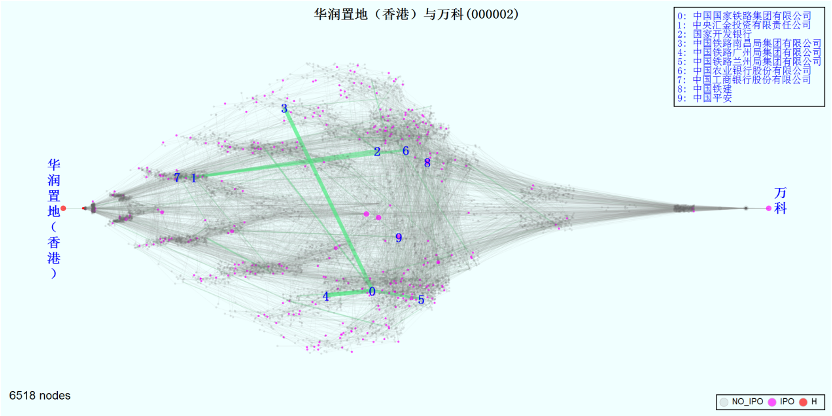
Recently, as highlighted in a major report by Caixin—widely regarded as China’s most influential financial media—the country’s personal credit industry witnessed a landmark legal dispute. A leading big data service provider Bairong Inc.(6608.HK,www.brgroup.com) sued a state-licensed personal credit agency Baihang Credit (www.baihangcredit.com)and its foreign-backed partner WiseCotech (www.wisecotech.com)over the alleged misappropriation of commercial data products and trade secrets. WiseCotech, a prominent player with deep historical ties as the localized arm of U.S. credit-scoring giant FICO (Fair Isaac Corporation) in China, has added significant global and industry attention to this high-profile case.
While it is easy to view this merely as a corporate clash over profit-sharing, zooming out reveals a much more profound narrative. This lawsuit is not just a localized business dispute; it is a vivid cross-section of a market grappling with the friction between data abundance and strict regulatory frameworks.
News report from Caixin Midea
The Paradox: A Wealth of Data, A Bottleneck in Circulation
There is no doubt that China possesses one of the most robust and expansive underlying data ecosystems in the world. From the financial credit histories of over a billion consumers to the massive digital footprints left across mobile internet and tech platforms, the sheer volume of data is staggering.
However, in recent years, to ensure data security and protect consumer privacy, China has implemented highly stringent regulatory policies. In the credit sector, this means that the flow of personal financial data must pass through centralized, licensed gateways.
The result of this architecture is a paradox. On one hand, the baseline for data security and compliance has been successfully established. On the other hand, the compliant circulation and commercial application of data across different institutions have become exceptionally difficult. Massive amounts of high-value credit data remain siloed or “dormant,” unable to be efficiently utilized by the broader market.
The Reality: Competing for Access, Not Services
Because compliant data circulation is so heavily restricted, simply accessing underlying data has transformed into a scarce privilege. This has fundamentally shifted the nature of competition in the market.
In an ideal credit ecosystem, market participants—whether licensed agencies, big data firms, or fintech companies—should compete at the “product and service layer.” The focus should be on who can build the most accurate risk-pricing models, or who can provide the most efficient tools for the credit market.
Instead, what we are seeing is that institutions are exhausting their capital, technical resources, and management bandwidth on the “data layer.” The industry is caught in a zero-sum game of fighting for exclusive access to raw data, securing gateway privileges, or defending data perimeters. When the primary competitive advantage becomes “who controls the data” rather than “who provides the best analytical service,” the entire ecosystem suffers from structural inefficiency.
A Common Challenge for Emerging Markets
This tug-of-war between absolute data security and the need for market innovation is not unique to China. Many emerging markets that are currently building or upgrading their modern credit infrastructures are facing the exact same dilemma.
How do we balance stringent oversight with the need to activate the market? How do we prevent licensed infrastructural gateways from inadvertently becoming monopolies that stifle technological innovation? These questions highlight an urgent need for better top-level architectural design and institutional reform globally, ensuring that dormant data can flow compliantly and efficiently.
A Microcosm of a Broader Era
Ultimately, this “data turf war” in the credit sector is a microcosm of a much broader challenge facing China’s digital economy.
Across numerous industries—from healthcare and transportation to smart cities—we see the same structural phenomenon: data is incredibly abundant, yet cross-entity circulation and practical application remain a struggle. Solving this bottleneck and transitioning from a focus on “data hoarding” to “value-added data services” will be the true key to unlocking the potential of the data economy, not just in China, but in any highly regulated digital market.
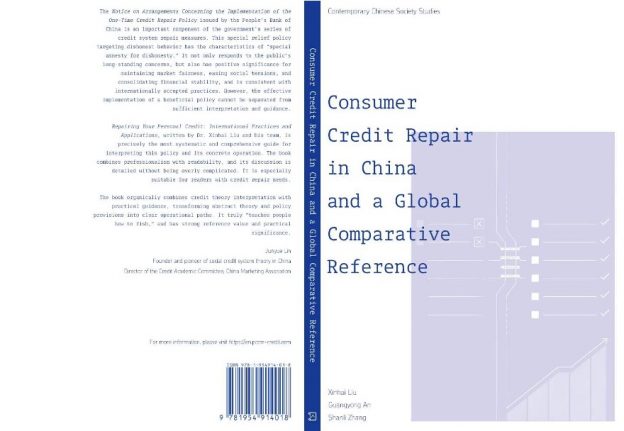
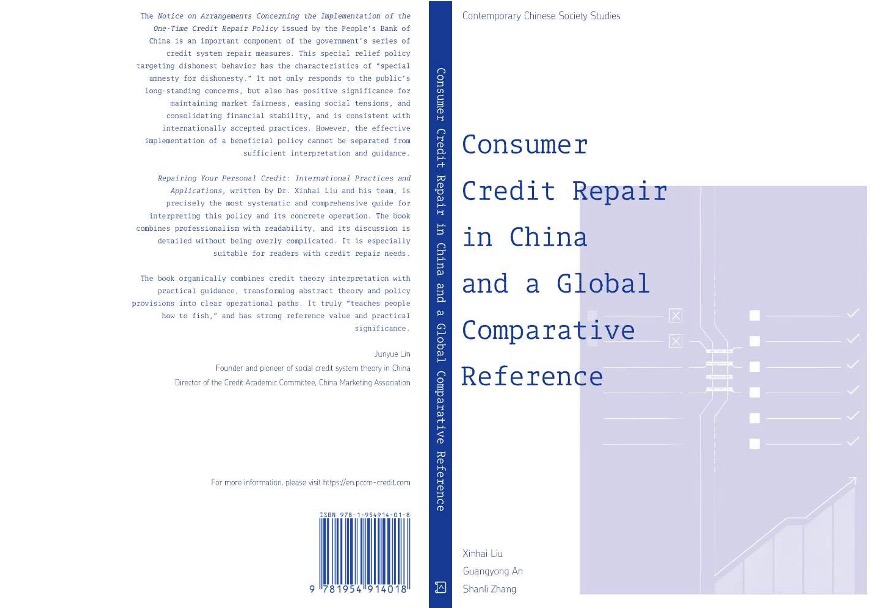
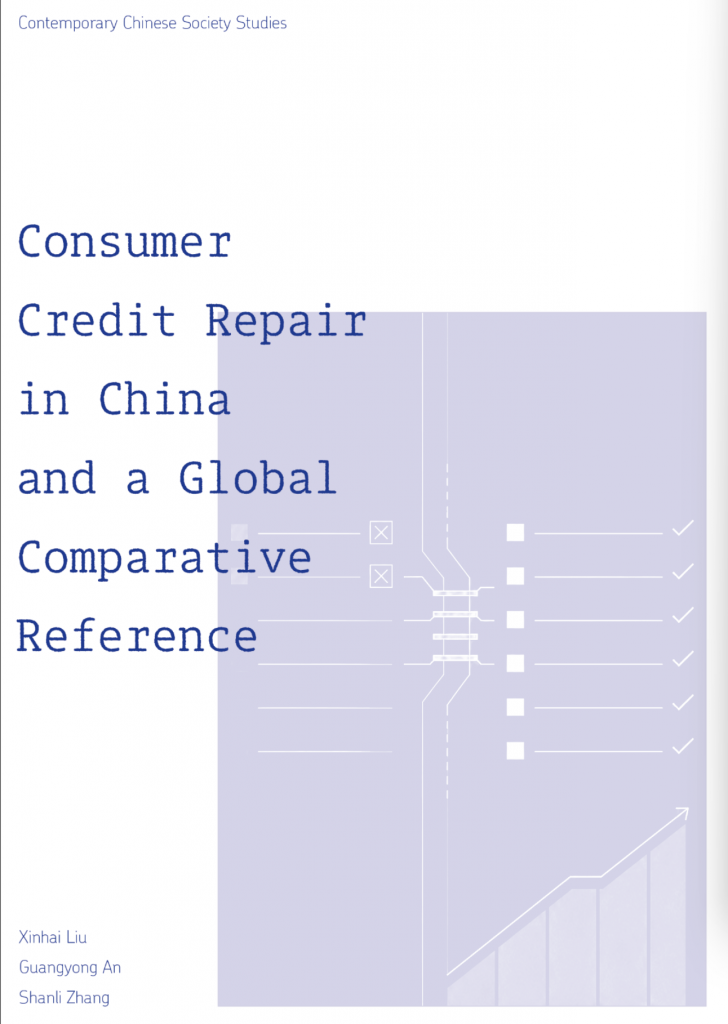
PCCM is pleased to introduce the English edition of Credit Repair in China and a Global Comparative Reference, a pioneering publication examining personal credit repair in China through an international comparative perspective.
To our knowledge, this is the first book from China dedicated to the systematic study of personal credit repair and rehabilitation. While credit repair has long been a well-established topic in the United States—with an extensive market of books, advisory services, consumer organizations and specialized businesses—the subject remains relatively new in China.
The publication builds on years of research by our team into personal credit reporting, consumer protection, credit rehabilitation and the broader personal credit economy. It seeks not only to explain how credit repair works, but also to address a more fundamental question:
How can a modern credit system maintain appropriate credit discipline while giving consumers who have experienced financial difficulties a meaningful opportunity to rebuild their credit?
From Credit Reporting to Credit Rehabilitation
Credit reporting systems are essential infrastructure for modern financial markets. They help lenders assess risk, reduce information asymmetry and support responsible access to credit.
However, an effective credit system must address not only how financial difficulties are recorded, but also what happens afterward.
Consumers may experience repayment difficulties for many reasons, including economic downturns, unemployment, illness, family emergencies or systemic shocks such as the COVID-19 pandemic. Once their financial situation improves and their obligations are resolved, an important policy question arises: how should the credit system recognize recovery?
This is where credit repair and credit rehabilitation become an important part of the personal credit economy.
Our research has also found that this field contains both significant opportunities and serious risks. Alongside legitimate consumer services, financial education and technological innovation, credit repair markets can also give rise to misleading services, abusive practices and illegal “credit washing.” Developing a sound framework therefore requires a careful combination of consumer protection, financial regulation, credit reporting governance and market innovation.
Five Key Dimensions of the Book
The book is organized around five major areas:
1. The historical development of credit reporting and credit systems
The book begins by examining how modern credit reporting developed and why credit information became a fundamental component of consumer finance.
2. Why personal credit repair matters
It examines the economic and social consequences of impaired credit and explores why consumers need legitimate mechanisms to correct errors, resolve past problems and rebuild their financial lives.
3. International comparison
The book reviews credit repair and rehabilitation practices across different jurisdictions, providing a comparative perspective on how credit systems balance risk management, consumer protection and the principle of a second chance.
4. Key institutional mechanisms
It examines mechanisms including credit information disputes and correction, the treatment and retention of negative information, debt resolution and other institutional arrangements that can support credit rehabilitation.
5. Implications for China
Drawing on international experience, the book discusses the development of China’s personal credit rehabilitation framework and the broader evolution of its consumer credit system.
Overall, the publication combines international comparison with institutional analysis, making it relevant not only to researchers but also to financial institutions, credit reporting organizations, regulators, consumer protection professionals and the broader credit industry.
A Timely Publication as China Introduces a New Credit Rehabilitation Policy
The publication is particularly timely.
In response to the lingering economic effects of the COVID-19 pandemic, the People’s Bank of China (PBoC)decided to implement a one-time personal credit rehabilitation policy beginning in 2026.
Under the policy, personal overdue records arising between January 1, 2020 and December 31, 2025, with an individual amount not exceeding RMB 10,000, will no longer be displayed in China’s Financial Credit Information Basic Database if the individual fully repays the overdue debt by March 31, 2026.
The policy also provides consumers with additional opportunities to obtain their personal credit reports free of charge during the first half of 2026.
The initiative represents an important experiment in balancing credit discipline, consumer protection and economic recovery. Rather than simply forgiving debt, it links credit rehabilitation to repayment, providing a targeted pathway for consumers who have resolved relatively small overdue obligations to rebuild their credit standing.
The research behind this book was conducted over several years and contributed intellectual and comparative support to discussions surrounding the development of China’s credit rehabilitation framework.
The book also received a recommendation from a former Director-General of the Credit Information System Bureau of the People’s Bank of China, reflecting the policy relevance of this research.
Credit Repair as Part of the Personal Credit Economy
PCCM views personal credit repair not as an isolated consumer service, but as an important component of the broader personal credit economy.
Around credit reporting systems exists an expanding ecosystem involving credit monitoring, financial education, debt counseling, identity protection, credit-building products, consumer dispute services and personal financial management.
As China’s consumer credit market continues to develop, similar needs are emerging.
The challenge is therefore not simply whether credit repair should exist, but how legitimate credit rehabilitation services can be distinguished from misleading or illegal practices, and how a professional and responsible market can develop around consumers’ genuine needs.
The Next Frontier: AI-Powered Personal Credit Management
Artificial intelligence may significantly change this field.
In the future, AI systems could help consumers understand complex credit reports, identify possible errors or inconsistencies, explain factors affecting their credit standing, navigate legitimate dispute and rehabilitation procedures, and develop personalized strategies for improving their financial health.
For financial institutions and credit service providers, AI may also enable more scalable and personalized approaches to consumer education, credit monitoring and post-distress financial rehabilitation.
This creates opportunities extending beyond traditional “credit repair” toward a much broader field of AI-powered personal credit management and financial health services.
We believe this intersection of credit reporting, consumer protection, personal data and artificial intelligence will become an increasingly important area for research, policy development and commercial innovation.
From China to the Global Credit Community
Although the book focuses significantly on China’s experience, its underlying question is global.
Every mature consumer credit system ultimately faces the same challenge:
How should we distinguish between a consumer who remains a credit risk and one who experienced financial difficulty in the past but has since recovered?
Finding better answers to this question matters for consumers, lenders and the economy as a whole.
Through this publication, PCCM hopes to contribute China’s emerging experience to the international discussion while continuing to learn from credit reporting systems and credit rehabilitation practices around the world.
A good credit system should not only remember the past. It should also be capable of recognizing recovery.
The new books is shared with Ms. Sally Vu,KCI from Vietnam
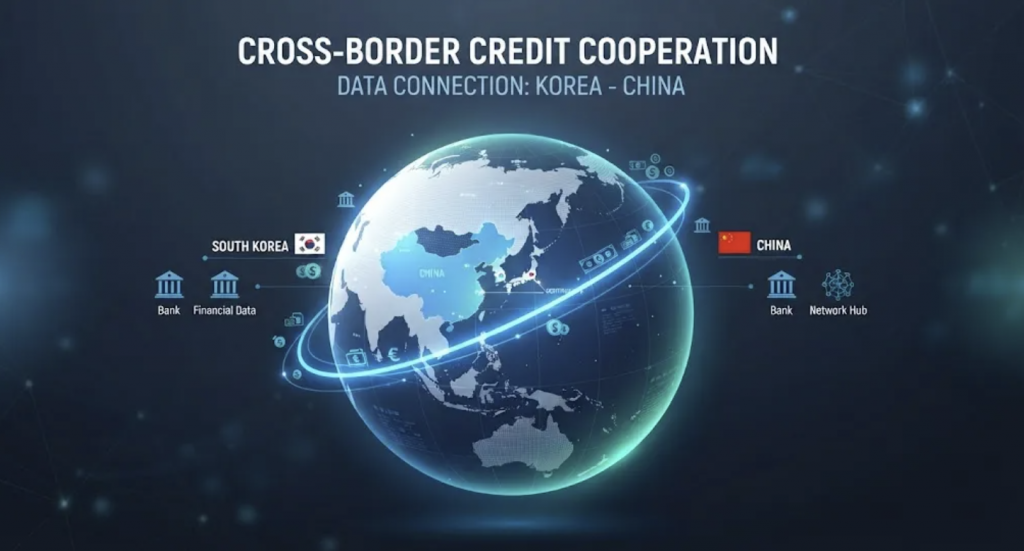
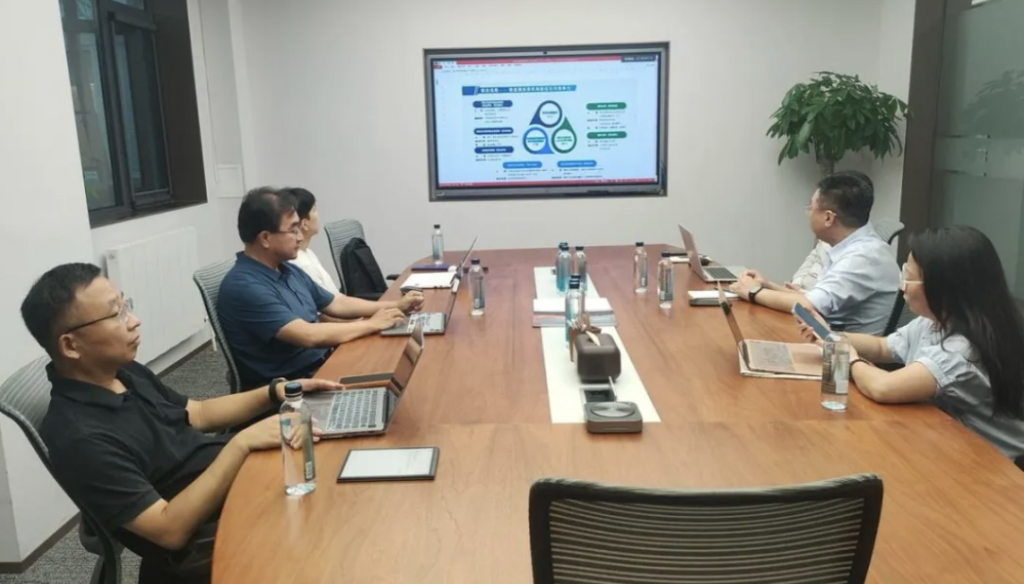
Beijing, August 31, 2026 — Representatives of eCredible, a leading Korean corporate credit and business assessment provider, visited the Professional Committee of Credit Management (PCCM) , China Mergers & Acquisitions Association (CMAA) in Beijing for a professional exchange on cross-border credit reporting, supplier credit assessment, technology credit assessment and future China–Korea cooperation.
The meeting was held at PCCM’s office at the Xiyuan Hotel in Beijing. Participants included Ian Rho, Head of Overseas Business at eCredible; Dr. Xinhai Liu, Chief Credit Expert of CMAA; Guangyong An, Researcher at PCCM; as well as Dawei Hao, Weijian Peng and Zhenzhen Li, professionals from a leading Chinese credit services institution(Lianhe Credit,the 2rd largest Credit Rating Group in China).
During the meeting, eCredible introduced its experience in corporate credit assessment, supplier risk management and technology credit assessment in Korea.
Founded in 2001, eCredible has developed extensive experience in serving large Korean corporations and their supply chains through corporate credit assessment, technology evaluation, ESG-related services and business information solutions.
Participants discussed Korea’s mature supplier credit assessment model and its relevance to Chinese companies participating in Korean and global supply chains.
As trade and industrial cooperation between China and Korea continues to evolve, an increasing number of Chinese manufacturers and technology companies are directly supplying components, equipment and services to major Korean corporations.
The participants noted that standardized and professional supplier credit assessment can help reduce information asymmetry in cross-border transactions and improve the transparency and credibility of suppliers operating across different markets.
Technology Credit Assessment and New Approaches to Evaluating Innovative Companies
Technology credit assessment was another major topic of discussion.
eCredible shared Korea’s experience with Technology Credit Bureau (TCB) services, which have become an important tool in supporting technology-based SMEs, innovation finance and technology evaluation.
The participants discussed how traditional credit assessment methodologies, which often rely heavily on financial statements and tangible assets, may not fully reflect the value and risks of emerging technology companies.
This is particularly relevant for companies in sectors such as:
artificial intelligence,
robotics,
semiconductors,
advanced manufacturing,
digital infrastructure,
and other technology-intensive industries.
Future credit assessment frameworks may therefore need to incorporate additional factors such as technological capability, R&D strength, commercialization potential, intellectual property, management teams, market prospects and business sustainability.
The meeting also explored the potential role of artificial intelligence in improving the efficiency and depth of technology and corporate credit assessment.
Building Stronger Cross-Border Credit Infrastructure
PCCM also introduced its long-standing work in cross-border credit research and international cooperation.
PCCM and its professional team have previously participated in a cross-border credit system research project supported by the World Bank and the Foreign Capital Department of China’s National Development and Reform Commission (NDRC).
The team has also developed the Oversea Private Enterprise Credit Service Platform, with a focus on supporting Chinese private enterprises engaged in international trade, investment and overseas expansion.
In parallel, PCCM has been developing a Global Credit Reporting Database, tracking credit bureaus, business information providers, credit assessment systems, regulatory frameworks and business models across different countries and regions.
Through international conferences, professional exchanges and joint research, PCCM has also established working relationships with credit reporting institutions, industry associations and experts across Asia, Europe, Latin America and other markets.
These resources are gradually forming an integrated foundation combining:
Cross-border credit research + international credit institution networks + global credit intelligence + expert resources + enterprise services.
Addressing the Cross-Border Credit Data Challenge
A further area of discussion concerned one of the most practical challenges in cross-border credit reporting:
How can Chinese corporate credit information be used safely, compliantly and effectively in overseas credit assessment and cross-border transactions?
PCCM has been conducting research on this issue for several years.
Rather than simply transferring raw corporate information across borders, future solutions may involve localized data collection and processing, standardized assessment, appropriate authorization mechanisms, necessary data minimization and collaboration between domestic and overseas professional institutions.
The participants agreed that developing practical and compliant approaches to cross-border credit information could become an important foundation for international supplier assessment and cross-border business services.
Preparing a Cross-Border Credit Research and Service Initiative
Building on its existing international projects, databases, expert resources and institutional partnerships, PCCM has begun preparations for a Cross-Border Credit Research and Service Initiative.
The Initiative will focus on areas including:
cross-border credit reporting, global corporate information, supplier credit assessment, technology credit assessment, corporate internationalization and international cooperation among credit institutions.
Its objective is to combine research, international networks, product development and practical services, and to help connect Chinese enterprises with professional credit systems and service providers around the world.
PCCM is also upgrading its long-running publication, Global AI & Credit Intelligence, into a new bilingual Chinese-English edition, with the aim of sharing research, market developments and professional insights with credit reporting, financial technology and credit risk professionals globally.
Looking Ahead
Participants agreed that China and Korea have significant opportunities for further professional cooperation in supply-chain credit management, technology assessment and cross-border credit services.
PCCM looks forward to continuing its dialogue with eCredible and other international credit institutions, while developing practical solutions that can support global trade, supply-chain cooperation and technology-driven credit innovation.
Beijing, August 24, 2026 — Margit Molnar, Head of the China Desk at the Economics Department of the Organisation for Economic Co-operation and Development (OECD), held an in-depth exchange with Dr. Xinhai Liu, Chief Credit Expert of the China Mergers and Acquisitions Association (CMAA), on the future of credit reporting, artificial intelligence, financial technology and data governance in an increasingly digital economy.
Dr. Xinhai Liu, is also the Vice President of the Beijing Credit Association, is among the earlier Chinese experts to have worked extensively and continuously in the fields of FinTech and credit technology. Over the years, he has focused on credit reporting and credit technology, personal data and MyData, artificial intelligence, and financial technology, building a substantial body of work in research, technology applications and international professional exchange.
Dr. Liu has maintained long-term cooperation and dialogue with professional institutions and experts across a number of countries and regions, and has developed a growing professional presence in the fields of credit technology and digital finance both in China and internationally.
The meeting was arranged through the introduction of the State Information Center as part of an international expert research and exchange initiative. Dr. Guangyong An, a Korea-based expert on data and credit systems, also participated in the discussion.
The dialogue covered a wide range of emerging issues, including AI-enabled credit assessment, alternative data and financial inclusion, MyData and personal data governance, SME finance, corporate network risk, intellectual property and data-based financing, as well as the changing role of national credit information infrastructure.
An Exchange Between Macroeconomic Research and FinTech Practice
Margit Molnar is a long-standing specialist on the Chinese economy. She has served as Head of the China Desk at the OECD Economics Department since 2014 and has been closely involved in OECD economic forecasts and the OECD Economic Surveys: China. Her research has covered economic growth, productivity, structural reform, corporate performance and financial development in China.
Dr. Xinhai Liu is a well-known Chinese expert in financial technology and credit technology. He has worked extensively in the fields of credit reporting and credit technology, personal data and MyData, artificial intelligence, and digital finance, with a substantial body of research, technology development and international professional engagement.
His work over the past two decades has followed the evolution of the credit industry from traditional credit reporting to big-data-driven risk management and, more recently, AI-powered credit intelligence. Through research publications and cooperation with professional institutions in Asia, Europe and other regions, he has also built a growing international presence in the credit and FinTech community.
Following the introduction by the State Information Center, the discussion brought together the OECD’s macroeconomic and structural policy perspective with China’s practical experience in credit technology and digital finance.
From Big Data to AI-Powered Credit Intelligence
One of the central topics was the evolution of China’s credit infrastructure over the past two decades.
As China’s traditional credit reporting system developed, financial institutions increasingly began to use alternative data— including payment, transaction, telecommunications and other non-traditional information — to assess borrowers with limited conventional credit histories.
These innovations have played an important role in improving financial inclusion and supporting lending to consumers and small businesses that might otherwise have remained outside conventional banking risk models.
The discussion then turned to the next stage of this transformation: artificial intelligence and large language models (LLMs).
Dr. Liu noted that one of the most important economic contributions of AI is its ability to dramatically reduce the cost of collecting, processing and interpreting information, particularly unstructured information.
This creates new opportunities in credit markets.
For example, corporate credit reports and financial due-diligence documents can contain dozens or even hundreds of indicators, legal records, ownership relationships and risk signals. AI can help extract, organize and interpret such information and translate highly technical credit reports into language that is easier for SMEs and consumers to understand.
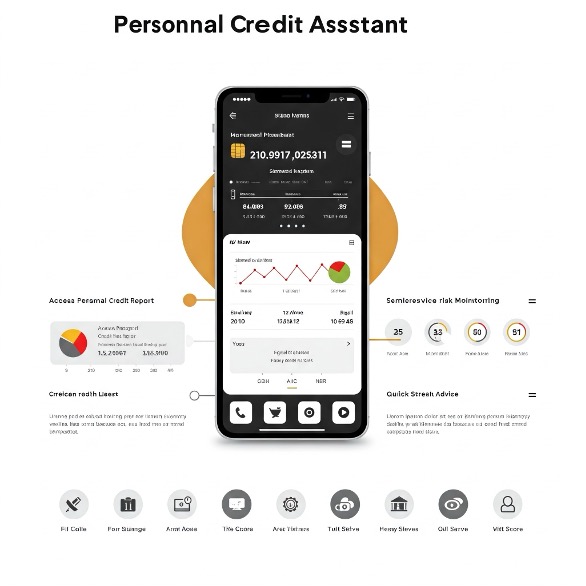
AI agents may eventually develop into personal or corporate credit assistants, helping users understand their credit position, prepare financing applications and manage financial risks more effectively.
At the same time, the participants agreed that large language models should not simply replace conventional credit risk models or professional judgment. In high-stakes areas such as lending decisions, AI applications still require structured financial data, statistical models, professional rules, model validation and appropriate human oversight.
MyData and the Future of Personal Data Governance
Another major topic was the tension between data protection and data mobility.
The discussion examined the international development of MyData, a human-centric approach to personal data governance that gives individuals greater control over how their data are accessed, transferred and used.
The concept is closely related to the principle of data portability, which allows individuals to authorize the transfer of their data between institutions rather than leaving such information permanently locked inside large platforms.
The participants compared different international approaches, particularly developments in Korea and Europe.
Korea has built one of the world’s most advanced financial MyData frameworks, enabling consumers to authorize the aggregation and use of financial data held by banks, credit card companies and other institutions.
China, however, has a different digital ecosystem. Large technology platforms play an important role in payments, commerce and other digital infrastructure, and data have considerable commercial value within these ecosystems.
As a result, developing a Chinese approach to MyData will require careful consideration of the interests of consumers, financial institutions, technology platforms, credit bureaus and public-sector data holders.
The discussion emphasized that the future of data governance should not be framed simply as a choice between privacy and innovation. The more important challenge is to design institutions and technologies that allow useful data to circulate while protecting individual rights, security and legitimate commercial interests.
From Individual Credit Scores to Corporate Network Risk
The participants also discussed how digital technology is changing the way corporate credit risk is understood.
Traditional credit analysis often treats companies as individual entities. In reality, companies are connected through ownership, investment, guarantees, supply chains, payments and commercial relationships.
Financial distress can therefore spread through networks.
China’s previous experience with corporate guarantee chains demonstrated how problems at a relatively small number of firms could rapidly transmit across groups of interconnected enterprises.
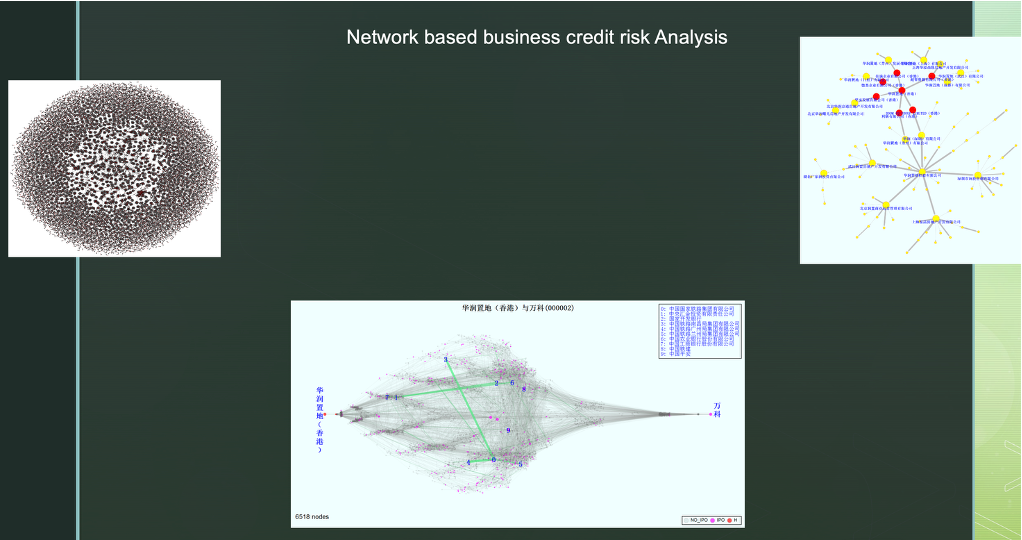
Dr. Liu discussed earlier research and practical work involving corporate network analysis and systemic risk modeling. By combining corporate ownership, investment, guarantee, supply-chain and other relationship data, knowledge graphs and network models can help identify risk concentrations and potential channels of contagion that may not be visible from conventional company-level credit indicators.
AI may further strengthen this capability by extracting relationships from large volumes of structured and unstructured information.
However, significant challenges remain. High-frequency business information — including invoices, payments, orders and supply-chain transactions — is often distributed across banks, tax authorities, technology companies and other data holders.
Developing mechanisms for the compliant connection and use of such data could become an important component of next-generation financial infrastructure.
Credit Assessment for Technology Companies and Intangible Assets
The exchange also explored the growing financing needs of technology-intensive and asset-light companies.
Traditional bank lending has historically relied heavily on physical collateral such as property. Technology companies, however, may derive much of their value from intellectual property, technology, data, human capital and future growth potential.
The participants discussed international practices such as Korea’s Technology Credit Bureau (TCB) framework, which incorporates technology capability, intellectual property and innovation into broader corporate credit assessments.
Intellectual property is becoming increasingly relevant to technology finance, although the economic value of an intangible asset is not necessarily equivalent to its collateral value.
Data assets present even more complicated questions. Data can be replicated, may involve multiple rights holders, and frequently contain privacy or security considerations.
For this reason, it may currently be more practical to treat data, transaction flows, orders and digital operating capabilities as important indicators of business quality and future cash flow rather than simply applying the conventional logic of physical collateral to data itself.
The rapid development of AI infrastructure is also creating new financing questions around computing capacity and other digital resources. Their rapid technological depreciation and changing market prices require financial institutions to develop new approaches to valuation and risk management.
AI, Credit Infrastructure and Financial Stability
Beyond individual lending decisions, the discussion addressed how AI and better-connected credit information could contribute to financial stability.
A well-developed credit system can make household and corporate indebtedness more transparent. However, credit reporting alone cannot prevent excessive borrowing.
The participants discussed the importance of combining credit information with affordability assessment, responsible lending practices and broader risk monitoring.
Similar issues arise in corporate finance. Even where collateral registration systems exist, risks associated with inventories, movable assets and rapidly changing business conditions require continuous monitoring and better integration between registration data and real-world asset information.
AI, network analysis and higher-frequency data may therefore play an increasingly important role not only in credit scoring, but also in detecting emerging financial vulnerabilities.
Looking Ahead: Building Bridges Between Chinese Practice and International Research
The exchange highlighted both the scale of China’s experience in digital finance and the growing need for international comparison as financial systems enter the AI era.
China has accumulated extensive practical experience in digital payments, alternative-data-based lending, financial inclusion, credit infrastructure and large-scale applications of financial technology.
At the same time, new questions are emerging around AI governance, personal data rights, SME finance, technology-company credit assessment and systemic risk monitoring.
OECD research in macroeconomics, productivity, SME development, digitalisation and structural reform provides an important international perspective for examining these developments.
The participants expressed interest in maintaining professional exchanges and exploring further dialogue in areas such as:
AI and credit risk management; MyData and personal data governance; digital finance for SMEs; corporate network and systemic risk analysis; technology-company credit assessment; and the use of new forms of data in financial services.
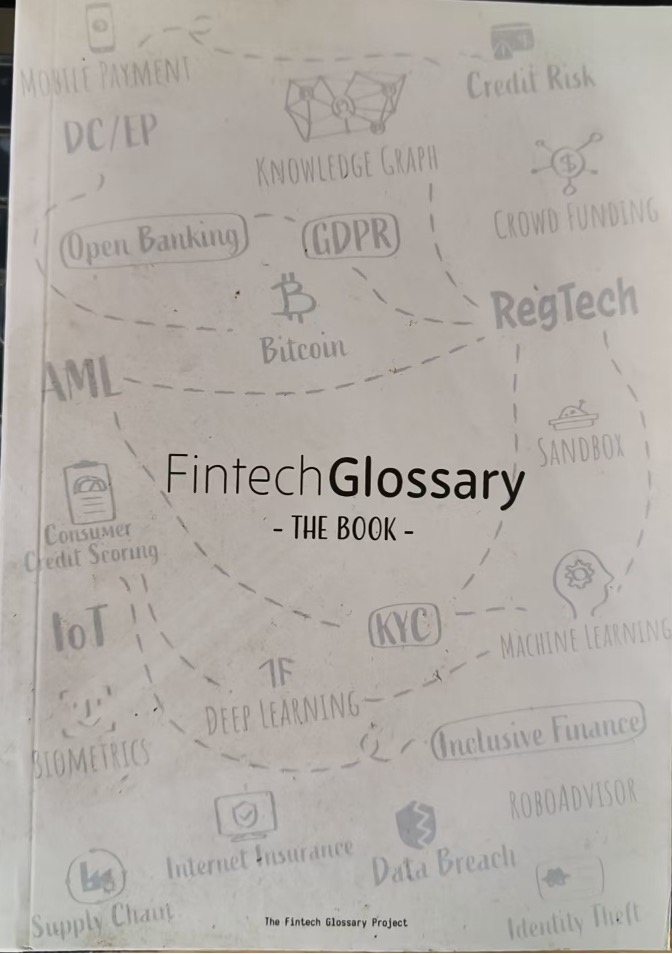
At the conclusion of the meeting, Dr. Liu presented the OECD expert with English-language books on credit repair and financial technology, reflecting some of his and his team’s recent research in these fields. The two sides also took commemorative photographs following the discussion.
The exchange provided a valuable opportunity to connect China’s rapidly evolving FinTech and credit technology practices with broader international economic and policy research. Both sides expressed interest in maintaining professional dialogue and exploring further exchanges on the future of artificial intelligence, digital finance, credit infrastructure and data governance.
Discussions Focus on AI, Open Banking, MyData, Enterprise Network Analytics and the Future of Global Credit Information Services
May 21, 2026 | Bologna, Italy
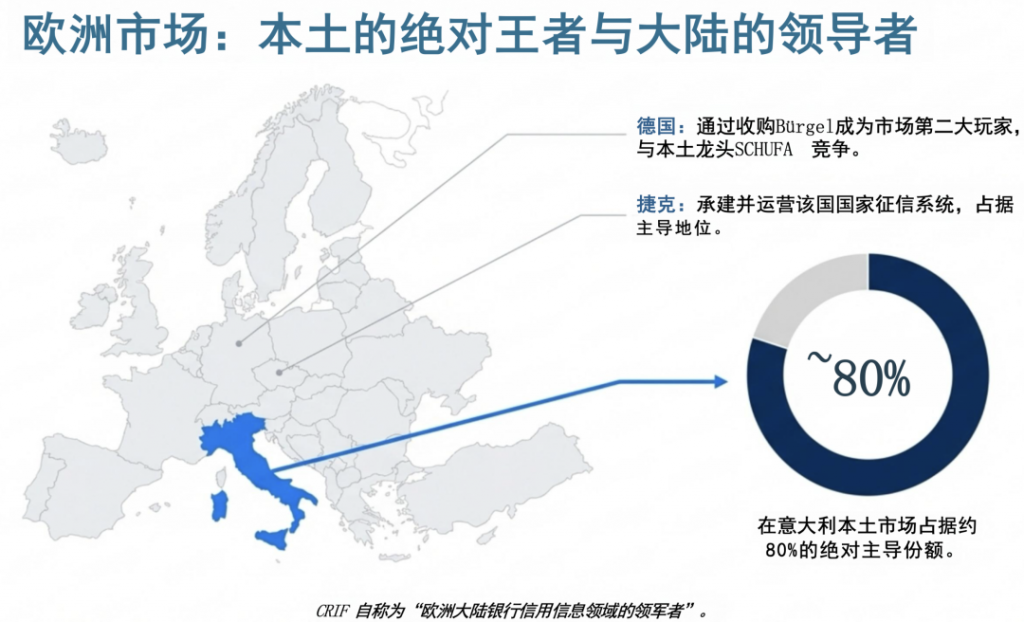
On May 21, 2026, Dr. Xinhai Liu, Chief Credit Expert of the China Mergers & Acquisitions Association (CMAA), together with colleagues, visited the global headquarters of CRIF in Bologna, Italy. The delegation met with Fabio Lazzarini, Senior Director of Alliances and Regulatory Affairs at CRIF, as well as CRIF colleagues responsible for Business Information, Open Banking and credit scoring, including a specialist from India.
The discussion covered major developments in the global credit information industry, applications of artificial intelligence in credit reporting and business information, MyData and Open Banking, enterprise credit and complex-network analytics, and credit information services for Chinese companies expanding overseas.
From Bologna to a Global Credit Technology Group
Bologna is one of northern Italy’s best-known historic cities and an important European center of learning, commerce and innovation. The University of Bologna, traditionally founded in 1088, is widely regarded as the oldest university in the Western world. CRIF was also born in this city.
Founded in Bologna in 1988, CRIF began with credit information and banking-related credit services in Italy. Over nearly four decades, it has developed into one of the world’s important credit information and credit technology groups.
During the meeting, CRIF presented its global development and current business structure. The group’s annual business scale is now close to EUR 900 million, with direct operations in 37 countries and more than 80 subsidiaries worldwide. CRIF has also participated in the development of credit information systems and related infrastructure in a number of markets.
Rather than positioning itself simply as a traditional credit bureau, CRIF has gradually expanded its capabilities into four connected pillars: Information, Intelligence, Platforms and Outsourcing. Together, these capabilities form an end-to-end knowledge and service system that connects data, analytics, credit decisioning, digital processes and professional operations.
This evolution illustrates a broader industry trend: leading credit information institutions are moving beyond the role of credit-report providers and becoming integrated credit-technology infrastructure providers that connect data, intelligence, decision-making and business processes.
Credit Reporting Is Moving from Monthly Snapshots to Real-Time Data
One of the most important trends discussed during the visit was the changing nature of credit data itself.
Traditional credit reporting systems often rely on periodic batch submissions from financial institutions, sometimes updated monthly or even less frequently. A credit report therefore represents, to some extent, a historical snapshot. With the development of APIs, Open Banking and digital financial infrastructure, however, more data can now be accessed and processed in near real time.
This change is particularly important in emerging markets such as Southeast Asia. Where consumers and small businesses have limited traditional banking histories, e-commerce, payment, telecom and other forms of alternative data are increasingly being used as complementary inputs for credit assessment.
In high-frequency, small-ticket credit scenarios such as Buy Now, Pay Later (BNPL), digital consumer finance and embedded lending, monthly credit data alone may no longer be sufficient for real-time risk decisions.
The competitive advantage of future credit bureaus may therefore depend not only on who owns the largest historical database, but also on who can connect data more quickly, interpret it more intelligently and transform it into risk insights and business decisions in real time.
AI Is Entering the Core of Credit and Business Information Services
Artificial intelligence was another major focus of the discussion.
CRIF shared examples of how AI is being used in internal productivity, data analysis, risk decisioning and business information services. Generative AI is also beginning to change how users interact with traditional business credit reports. Instead of reading a lengthy report page by page, users may increasingly be able to ask natural-language questions about a company and use AI to understand its operations, financial position, risk profile and business relationships.
This direction strongly overlaps with Dr. Liu’s team’s recent work on AI and credit technology. The participants discussed how AI could be applied not only to credit scoring, but also to enterprise risk identification, business information analysis, lending decisions, fraud detection, post-loan risk monitoring and intelligent interaction with credit reports.
The development of AI may therefore reshape not only the technology used by credit information providers, but also their product formats, customer experience and long-term business models.
From Individual Company Credit to Enterprise Network Credit
Dr. Liu also introduced his team’s research on complex-network analysis and enterprise credit risk.
Traditional business credit analysis often treats a company as an independent entity, focusing on registration records, financial performance, legal information, payment behavior and operating conditions. In reality, however, companies do not exist in isolation.
Ownership links, ultimate-control relationships, guarantees, supply chains, investments, shared executives and other connections form complex enterprise networks. A company may appear financially sound on its own while still being exposed to hidden risks through its broader network.
Adding a Connection dimension to traditional enterprise credit analysis can help identify group-level risk, hidden related-party exposure and potential risk contagion. This approach has clear relevance to CRIF’s long-standing activities in Business Information, supply-chain risk and enterprise credit management, and created a strong basis for further technical exchange.
Cyber Risk and ESG Are Becoming New Credit Variables
CRIF also introduced several newer forms of enterprise risk assessment that extend beyond traditional credit information.
One example is cybersecurity risk assessment for companies and supply chains. Cyberattacks, data breaches and digital-system exposure increasingly affect business continuity, reputation and even debt-servicing capacity. Cyber risk is therefore moving from being an isolated IT-security issue to becoming part of broader enterprise and credit-risk analysis.
At the same time, as European green-finance and sustainability regulation becomes more demanding, CRIF has developed ESG-related data, assessment and service capabilities that connect environmental, social and governance factors with enterprise risk management.
These developments show how modern business information is moving beyond the traditional combination of corporate registration, financial and legal data. Cybersecurity, supply-chain resilience, ESG and enterprise-network relationships are all becoming increasingly relevant components of next-generation business information services.
MyData, Open Banking and Personal Credit Services
The two sides also exchanged views on the use of MyData and Open Banking in credit reporting and financial services.
Open Banking allows consumers, with appropriate authorization, to make bank-account and transaction data available for new services, providing more timely and granular information beyond traditional credit reports. MyData goes a step further by emphasizing the individual’s ability to control, authorize and use personal data.
Dr. Liu shared observations on developments in China and Korea related to MyData, personal-data use and consumer credit services, and also introduced recent Chinese discussions on personal credit repair, consumer credit education and the broader social credit system.
CRIF showed considerable interest in these topics, and the participants also discussed China’s loan-facilitation market, consumer credit services and consumer-protection issues.
A Light-Hearted Moment: A Chinese Book Finds an Enthusiastic New Reader
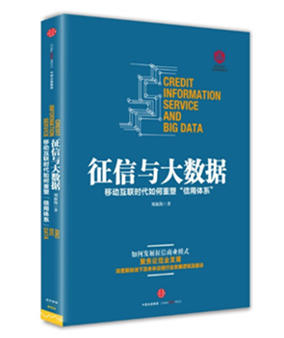
The meeting also included a memorable light-hearted moment. Dr. Liu presented CRIF with his new book, Repair Your Personal Credit: International Practice and Application. A CRIF colleague from India working on credit scoring showed immediate enthusiasm and quickly claimed the Chinese-language copy for further reading.
The book is written in Chinese, but in the era of large language models, language is becoming far less of a barrier to professional knowledge exchange.
The publication compares personal credit repair, debt relief and credit rehabilitation practices in markets including the United States, Korea and China. As China places greater emphasis on mechanisms for personal credit repair and credit rebuilding, the topic is also becoming increasingly relevant to international dialogue within the credit reporting industry.
Now The English Version of Consumer Credit Repair is coming!
Chinese Companies Going Global Are Creating New Demand for International Credit Services
Another important topic was the rapidly growing demand for business information and credit services created by the international expansion of Chinese companies.
As more Chinese companies enter Southeast Asia, the Middle East, Europe, Africa and Latin America, they need to know not only who their customers, suppliers and partners are, but also their credit quality, payment capacity, ownership relationships, compliance risks and long-term business viability.
This is precisely where international business information and enterprise credit providers can create significant value.
For Chinese companies going global, high-quality international business information is no longer merely a risk-control tool. It is increasingly becoming part of the infrastructure required for international trade, supply-chain management and overseas investment.
From a longer-term perspective, the Belt and Road Initiative requires not only logistics, payments and financing infrastructure, but also stronger cross-border credit infrastructure. CRIF’s accumulated experience in credit systems, business information and risk analytics across Europe, Asia and emerging markets could therefore have meaningful relevance to China’s growing global business needs.
Maintaining an Open Attitude Toward China and Future Cooperation
CRIF’s direct business footprint in mainland China is currently relatively limited, but the discussions in Bologna demonstrated continued interest in the Chinese market, China’s credit information industry and the international needs of Chinese enterprises. The CRIF team also expressed an open and constructive attitude toward future cooperation.
This impression was reinforced at the subsequent BIIA industry conference in Manila, where Dr. Liu continued discussions with Simone Lovati, Managing Director of CRIF Asia, and Novi Rolastuti, a senior CRIF Asia executive in Business Information Services. The conversations explored Chinese companies going global, international business information, AI-driven credit technology and the possibility of strengthening CRIF’s engagement with the Chinese market.
In a global environment shaped by increasing economic uncertainty and geopolitical complexity, China’s credit industry needs both strong and reliable domestic credit infrastructure and continued exchange with professional credit information institutions in Europe, Asia and other global markets.
Credit itself is an infrastructure for building trust. Cooperation among credit information institutions across countries must likewise be built on long-term trust.
The Bologna visit therefore provided a promising starting point for further international cooperation in AI-driven credit technology, MyData and Open Banking, enterprise network analytics, services for Chinese companies going global, and the development of cross-border credit infrastructure for Belt and Road cooperation.
Together Picture with Ms. Novi Rolastuti in Manila, 2026-06
On 29 July, the People’s Bank of China and eight other government authorities issued a new policy on strengthening the development and use of data for sci-tech finance.
The policy introduces a national data catalogue covering eight categories and 26 indicators, including corporate innovation attributes, R&D investment, intellectual property, financing, operations, import and export activities, and innovation capability. It also encourages trusted data spaces, the authorized use of corporate cash-flow data, digital credit profiles, sector-specific risk models, industry-chain mapping, and the development of technology-enterprise databases by market-based credit reporting agencies.
This should not be understood as simply another government database project. It signals a broader transition in China’s sci-tech finance system: from assessing companies mainly through financial statements, collateral and official qualification lists, toward evaluating innovation capability, commercialization potential, real operating activity, cash flow and industrial-network position.
Korea’s Technology Credit Bureau (TCB) system offers a particularly relevant reference.
Since 2014, Korea has spent more than a decade developing a technology-finance infrastructure that connects technology assessment, corporate credit information and bank lending. TCB assessments typically examine not only the technical merits of an enterprise, but also marketability, business feasibility and its broader financial and credit position.
Based on our long-term tracking of the Korean TCB system and professional exchanges with institutions including KCIS,NICE,KoDATA and eCredible, the most important lesson is not that China should simply copy the Korean model. Rather, technology credit assessment must become a specialized and independently validated profession.
It requires industry-specific knowledge, reliable data standards, qualified evaluators, quality-control mechanisms and continuous feedback from actual lending performance. Korea’s experience also shows that rapid expansion in the number of assessments does not automatically guarantee assessment quality or better credit decisions.
The new Chinese policy could therefore create an important transformation opportunity for corporate credit reporting agencies.
By 2024, China had 154 corporate credit reporting agencies. However, many have yet to establish sustainable business models or sufficiently differentiated products. Some remain dependent on relatively simple public-data aggregation, conventional corporate reports or government-supported platforms.
Sci-tech finance opens a more specialized market. Credit reporting agencies could move toward:
• Sector-specific technology-enterprise databases • Technology credit assessment and monitoring • Patent, R&D team and commercialization analysis • Industrial-chain and enterprise-network mapping • AI-supported risk models for different technology sectors • Continuous post-lending monitoring and early warning
The commercial opportunity is not to build another static database or produce another apparently precise score. It is to create an explainable evidence layer between technology enterprises and financial capital.
The new Sci-Tech Finance policy from PBOC Wesite()
AI will be essential—but the AI era makes professional databases more necessary, not less.
General-purpose large language models cannot replace reliable, time-stamped, permissioned and sector-specific data. Their value lies in helping institutions extract and verify information from patents, research documents, corporate disclosures and industry materials. Knowledge graphs can connect companies with shareholders, R&D teams, patents, technologies, customers, suppliers and industrial chains. Graph analytics can reveal dependencies, network stability and possible risk transmission, while AI agents can support continuous monitoring.
This allows technology assessment to move from a static, company-by-company approach toward a dynamic and network-based approach covering both company-to-company relationships and technology-to-technology connections.
At the same time, one principle must remain clear:
Innovation potential is not the same as creditworthiness.
A company may own valuable patents or employ an excellent technical team but still face weak cash flow, uncertain commercialization or high customer concentration. Technology capability, commercial viability and repayment risk should therefore be evaluated separately before being integrated into a final financing decision.
Against the broader background of global technology competition and supply-chain restructuring, China’s attempt to improve financial support for AI, semiconductors, new energy and other technology-intensive industries is understandable. The more constructive international question is not who will “win” a technology race, but how financial institutions can support innovation without weakening credit discipline, data governance or risk management.
This is also where our current research and international cooperation are increasingly focused: combining technology credit assessment, corporate credit reporting, AI and relationship-graph analysis to explore the next generation of sci-tech finance infrastructure.
China’s new policy creates a window of opportunity. Whether it succeeds will depend not only on how much data is collected, but on whether that data can be converted into professional, explainable and continuously validated credit decisions.
On behalf of the Professional Credit Management Committee of the China Mergers & Acquisitions Association (PCCM) and the Beijing Credit Society, we are deeply saddened to learn of the passing of Professor Bart Baesens of KU Leuven on August 6, 2025.
Professor Baesens was one of the most influential scholars in the field of global credit risk. His research has had a profound and lasting impact on both academic theory and practical applications.
We extend our heartfelt condolences and deepest sympathy to his family during this difficult time.
We are sincerely grateful for Professor Baesens’s outstanding contributions to the discipline of credit risk management — through his prolific high-quality research papers, influential academic books, and his dedicated mentorship of scholars. We especially appreciate his support for Chinese researchers and his keen interest in China’s credit risk issues.
As professional academic institutions, we will publish a special collection of research reports in memory of Professor Baesens, honoring his remarkable legacy and enduring influence on our field.
May his work continue to inspire generations of scholars to come.
Professional Committee of Credit Management the China Mergers & Acquisitions Association(PCCM)
Beijing Credit Society 2025-08-12
About the Professional Credit Management Committee of the China Mergers & Acquisitions Association (PCCM)
The Professional Credit Management Committee of the China Mergers & Acquisitions Association, established in 2019, is a nationwide, non-profit professional research institution. It brings together leading domestic and international experts in credit management as well as globally renowned credit service organizations. Most of its experts hold doctoral degrees and have overseas professional experience. The Committee currently publishes the electronic journal *Global AI & Credit Technology Trends*.
Website: http://en.pccm-credit.com
About the Beijing Credit Society
Founded in April 2021, the Beijing Credit Society has over 300 members and more than 30 distinguished research fellows, most of whom have professorial academic backgrounds. It is currently the largest professional academic institution in the field of credit in China.
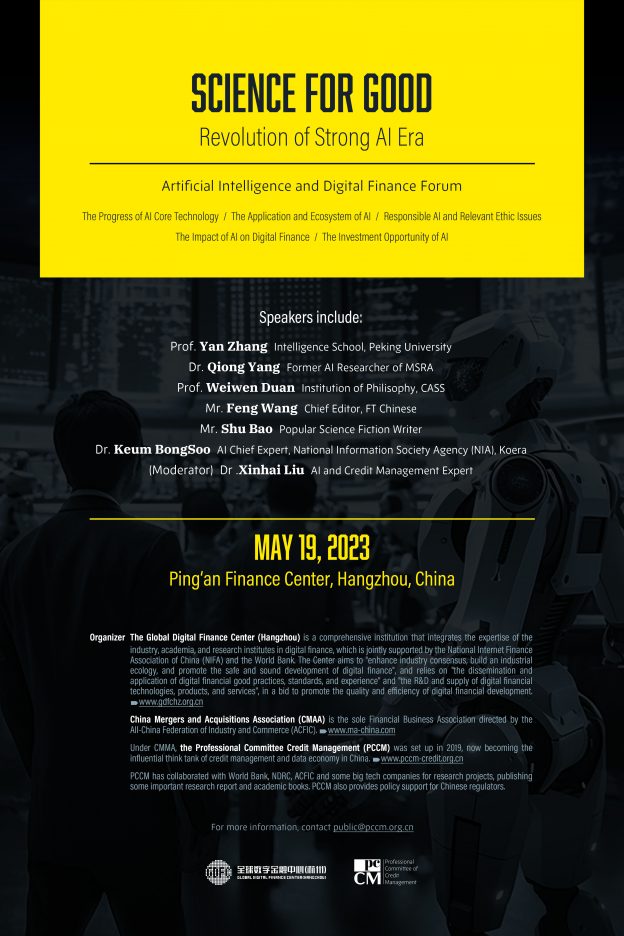
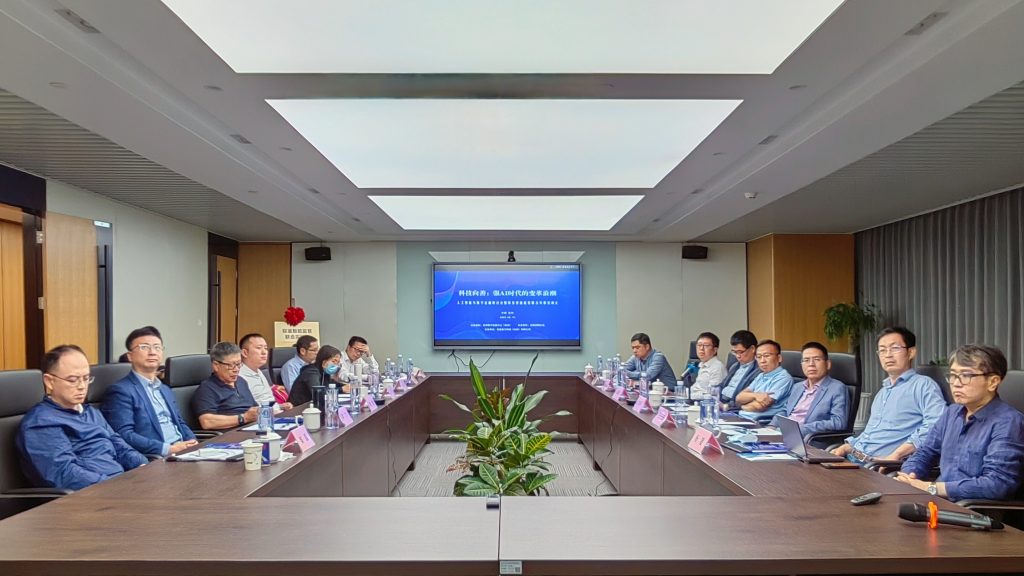
On May 19th, the seminar on artificial intelligence and digital finance “Technology for Good: Wave of Change in Strong AI Era” jointly organized by the GDFC and the CMAA was successfully held in Hangzhou. More than 20 experts and scholars from domestic and foreign research institutions, universities, industry associations, financial media, and relevant institutions attended the conference online or offline, and conducted in-depth exchanges and discussions on the technology, application, morality and ethics, and impact of AI.
In terms of the progress of core technology development of AI, experts illustrated the progress of core technology development of AI represented by ChatGPT. As a natural language processing tool driven by artificial intelligence technology, ChatGPT, with its advantages as a transformer, surpasses the traditional Convolutional Neural Network, optimizes model structure and training efficiency, etc. Through pretraining and reinforceed learning, ChatGPT manages to conduct dialogue and write articles after it succeeded in communicating with human. The success of a series of large models such as ChatGPT indicates that models have the ability to emerge, whereas only when the model and data both cross the threshold and undergo sufficient training can scale effects occur, which unleashes the models’ emergence ability to generate strong capabilities and massive knowledge. In this process, more attention needs to be paid to data quality compared with model construction, and users ought to avoid excessive parameterization while strengthen data application to ultimately improve the overall effectiveness of models.
When it comes to the application direction and ecological environment of AI in the future, experts pointed out that with the gradual expansion of models and data, AI technology will gradually develop towards multimodality and specialization in the future. The development of current AI models will promote a new round of generative AI applications. Through multiple rounds of dialogue, AI systems generate feedbacks by following the process of problem comprehension, problem retrieve, and answer generation. In the future, AI technology will have significant impacts on areas such as psychological education, student management, medical services, banking, copywriting, etc. Meanwhile, as AI technology continues to deepen its integration into human life, guiding AI towards a right direction becomes particularly crucial. In order to achieve the goal of AI being virtuous, the primary factor is to ensure that the input data itself is ethical. We need to prioritize fundamental core elements and principles as an assessment standard to achieve a harmonious relationship between AI and humanity.
In terms of the ethical issues of AI, experts pointed out that the root of the ethical issues of information technology is that Moore’s Law of information technology is much faster than the development of social and cultural systems. As emerging technologies such as artificial intelligence benefit mankind, the corresponding ethical governance system should evolve together with technological progress. At the same time, since the boundary between artificial intelligence and human intelligence has become blurred, and it carried out a large number of human-machine value alignment engineering to make machine goals conform to human intentions, plus its innovation and influence are highly uncertain, we should promote top-level legal system design, technology ethics research and publicity, promote open source innovation, build cooperative research and open source innovation platforms and develop a series of testing tools to conduct quantitative testing of its security and ethical issues so that we can build a relatively perfect technology ethics governance system.
In terms of the impact of AI on the financial industry, experts pointed out that making use of the effect of computing power can improve the operational efficiency of the financial industry. We could exert extreme computing power to solve instantaneous computing problems of high-frequency trading, and we can also exert super computing power to support system engineering such as large model training and financial complex modeling. Specifically, first, the scenes that are extremely sensitive to instantaneous calculation speed. They can be improved by computer architecture level optimization, precomputation, software to hardware, and incremental calculation of complex indicators of real-time data to improve real-time computing speed. The second is the field of computing power for super-scale complex computing, it can optimize the atomic computing efficiency of the application layer, and optimize the atomic computing of data structures, algorithms and compilers. In terms of computing power allocation optimization at the scheduling layer, all kinds of constraints should be balanced, and computing power scheduling optimization should be done in terms of network delay, data communication efficiency, node processing capacity, atomic computing processing time budget and task turbulence.
In respect of AI investment hotspots, experts pointed out that AI plays a role in reducing costs and increasing efficiency in related industries, since it accelerates the commercial implementation of large models, promotes their commercial realization, and creates more opportunities for industry development. At the same time, the comprehensive nature of AI information retrieval will expand its scope of application in investment, gradually penetrate from high-frequency investment to low-frequency investment, and continuously expand its application value.
15 years after entering China, the international credit reporting giant Experian decided to withdraw from the Chinese mainland market. “There is no sign, and we are also very confused.” Experian’s employees in China told the Economic Observer(http://www.eeo.com.cn) that he suddenly received the news on the morning of November 10.
Since then, Experian’s business partners who learned of the news told journalist, “It was too sudden and said that they would abandon the Chinese market. However, the business cooperation between the two parties is still going on normally.”
On November 13, the relevant officer in charge of Experian Asia Pacific sent an English statement to the Economic Observer, saying, “After an extensive strategic assessment of our business, we will the business credit reporting service of Experian China and retain the decision-making analysis business only in Hong Kong and Taiwan, thereby streamlining the business in Great China.”
The statement also stated, “We are in dialogue with potential buyers of Experian China’s business credit reporting services.”
The journalist learned that at present, Experian mainly has two businesses in China: corporate credit investigation and decision analysis. Among them, the business line of decision analysis will be liquidated and exit; the business line of business credit reporting is looking for potential buyers.
Dr. Xinhai Liu executive deputy director of the Professional Committee of Credit Management(PCCM) from the China Mergers and Acquisitions Association(CMAA), analyzed to the journalist from the Economic Observer that Experian is a company listed in the UK. Any decision of the company is based on the pursuit of commercial profits and responsibility to shareholders, prompting Experian to make this decision. The reason may be related to Experian’s business operations in the Mainland China.
Withdraw from the market of mainland China
Looking back at Experian’s development history in China, as early as 2005, Experian, a British multinational credit reporting group, began to conduct business in China; in 2014, it wholly acquired Chinese business credit reporting service provider Xinhuaxin; it was opened on September 24 of the same year. The Chinese company name is “Experian(益博睿)”; in 2018, it officially obtained the business credit record of the Chinese central bank(a kind of regulation).
In May 2018, the Business Management Department of the Central Bank accepted the filing application of Experian Credit Report (Beijing) Co., Ltd. (hereinafter referred to as “Experian Credit Report”), an enterprise credit reporting subsidiary established by Experian in China.
According to Dr. Xinhai Liu, Experian is both the world’s largest consumer credit reporting agency and the oldest consumer credit reporting agency. Since its business scope covers the business credit reporting part, it can also be considered the world’s largest credit reporting agency. .
It has been more than two years for Experian to obtain the business credit reporting record of the People’s Bank of China(PBoC). “Before obtaining the record, we mostly do business with Experian’s original international customers, but after obtaining the record, we can expand the customer base in the country. More domestic medium and large companies have business dealings with Experian. This is a very obvious change.” When talking about the impact of obtaining credit reporting on the business, Huang Jian, CEO of Great China Experian, said in an interview with the Economic Observer reporter in June this year.
According to official sources, at present, Experian’s business credit reporting service customers have covered many industries such as finance, e-commerce, retail, manufacturing, media, telecommunications, and chemicals, including small and micro enterprises, large and medium-sized enterprises, foreign trade enterprises and other types of enterprises.
Experian has also taken many business actions in mainland China in the past few years, hoping to work hard to achieve business growth. During the recent CIIE, Experian made an appearance at the CIIE and said it would introduce its global leading GDN (GlobalDataNetwork) solution to the Chinese market. In the 2020 annual report, Experian stated that there are currently approximately 1.7 billion adults without bank accounts, and more than 1 billion of them have no access to formal financial services in the Asia-Pacific region.
Dr. Xinhai Liu analyzed that Experian is a listed company, and any shareholder’s decision is to pursue commercial profits. One of the reasons that prompted the group to make this decision may be due to its business operations. In the short term, it may be that the epidemic has a relatively large impact on the business; in the long term, it may be related to Experian’s entry into mainland China for more than ten years and not launching the most commercially valuable consumer credit reporting business.
The journalist learned that the revenue in Greater China was not as expected might be the main reason that Experian made the above decision. Experian (EXPN.L)’s 2020 annual report disclosed on the London Stock Exchange showed that revenue by region and business activities was US$5.179 billion, and operating profit recorded US$1.185 billion. Among them, North America revenue was 3.247 billion U.S. dollars, Latin America revenue was 732 million U.S. dollars, Britain and Ireland revenue was 769 million U.S. dollars, and EMEA (Europe, Middle East, Africa)/Asia Pacific region revenues recorded 431 million U.S. dollars, accounting for 8.3%. In the previous fiscal years of 2018 and 2019, the EMEA/Asia Pacific region accounted for 8.43% and 8.67% of revenue, respectively, which was much lower than the other three regions (North America, Latin America, the United Kingdom, and Ireland).
In Dr. Xinhai Liu ‘s pointview, Experian’s business in the United States has been very successful, but it is lacking in domestic localization in China, especially in the development of China’s digital economy, it may be related to China’s economic situation, rule of law, and financial regulatory environment.
Clearing business, looking for potential buyers
Experian mainly conducts four major businesses in China: (i) business credit reporting, (ii) decision analysis, (iii) anti-fraud and identity authentication, (iv)marketing and data quality. Mr. Huang Jian once told reporters that Experian pays more attention to the two businesses of business creditreporting and decision analysis in China.
In terms of credit reporting data services, the company currently operates 23 consumer credit bureaus and 11 business credit reporting agencies around the world. In the field of decision analysis, Experian provides value-added services based on credit reporting data for customers, and also provides its own expert Consulting, analysis tools, software and solutions to complex problems and business decisions.
The reporter learned that Experian Credit Reporting (Beijing) Co., Ltd., which has a central bank’s credit reporting record, is mainly responsible for business credit reporting, and is looking for potential buyers in this business. In addition, Experian Information Technology (Beijing) Co., Ltd. is responsible for the decision analysis business, and the business of this line will be liquidated. Currently Experian is communicating with employees and customers.
Experian mainly conducts business credit reporting business in China, but does not carry out consumer credit reporting business. According to analysis by industry experts, the inability to develop consumer credit reporting is one of the reasons why Experian’s business in Great China has fallen short of expectations.
Regarding how Experian views the domestic consumer credit reporing market, Mr. Huang Jian once told reporters that in this regard, from the perspective of the global market, each country has a different model. Some are completely government-oriented consumer credit reporting markets, and some are relying entirely on market-driven, many countries have adopted the “government + market” two-wheel driven model. With the launch of Baihang Credit (https://www.baihangcredit.com), China is gradually leaning towards the “government + market” driven model. “This is indeed a market that requires strong government supervision. From the perspective of consumer credit reporting, we have no plans to develop consumer credit reporting businesses in China. However, if the consumer credit reporting market needs our services, we will also actively cooperate with governments and partners locally. After all, Experian’s consumer credit reporting business ranks first in the global market. If necessary, we are willing to bring valuable experience to the Chinese market.”Mr. Huang Jian once said.
In Dr. Xinhai Liu’s perspective, the entry of market-oriented consumer credit reporting agencies into the market may be beneficial to the entire credit reporting market, but it also faces a global challenge, that is, the unprecedented strict regulation of personal data. “Consumer credit reporting services in both Europe and the United States have already developed, and it may be able to cover the cost by responding to the strict regulations. However, when the domestic consumer credit reporting industry is not yet mature, market-oriented companies still need a learning process. The contradiction between regulatory data protection and data application requires a process of exploration and resolution.”
Dr. Xinhai Liu said that Experian’s withdrawal from the mainland China has little impact on the market at the micro level. However, Experian is an excellent brand worldwide. In the process of financial opening, we need world-class financial service companies to add vitality to the market. “Leaving the world’s largest consumer market, this decision is still worth pondering.” Dr. Xinhai Liu said.
As a result, three giants of consumer reporting business worldwide (Experian, Equifax and TransUnion) will not carry out any credit information business in Mainland China after April,2021, when Experian plans to leave Mainland China completely.
As a professional research institute, the Professional Committee of Credit Management(PCCM) from the China Mergers and Acquisitions Association(CMAA) will follow closely with Experian China. PCCM will provide any help for its later mergers and acquisition as necessary.
By Liu Xin Source:Global Times Published: 2020/5/12
Many places in China have taken measures to deal with personal information leakage as some individuals’ information has been improperly acquired and experts warned that with the COVID-19 epidemic coming under control in China, personal information that has been collected for prevention work should have encryption to decrease the risk of information leakage.
Reports of individuals’ personal information being exposed or misused have appeared recently, which raised concerns over the security of personal information. For example, the public security authorities in Qiangdao (should that be Qingdao?), East China’s Shandong Province, released a notice on April 19, saying that more than 6,000 residents’ information, including their name, address, identity number and phone number had been exposed, the Xinhua Daily Telegraph reported.
In the early stage of fighting against the coronavirus, some places required individuals to register their information with residential communities, online applications or pharmacies, which increased the risk of misuse or leakage of the information, experts said.
Qin An, head of the Beijing-based Institute of China Cyberspace Strategy, told the Global Times that some places over-collected personal information after the outbreak of the coronavirus. The current issue is how to properly store and manage the information.
“Two situations should be avoided – information leakage and continuous collecting of residents’ information,” Qin said.
He noted that since China’s cryptography law has been implemented, all personal information should be stored after encryption to avoid disclosure.
The public security bureaus in many places in China have dealt with cases involving illegally collecting and disclosing personal information. On March 5, Chinese authorities, including the Ministry of Civil Affairs and the Cyberspace Administration of China, required residential communities to ask for residents’ permission before collecting information for prevention work.
Authorities in South China’s Guangdong have started supervision of online applications and set requirements for data and privacy protection for organizations that offer applications for prevention, the Xinhua Daily Telegraph reported.